

Sociopath vs Psychopath: Understanding the Key Differences and Traits
In the world of psychology, sociopath and psychopath are terms that are often misunderstood and misused. While they are frequently portrayed in movies and media, these personality patterns are far more complex. Both fall under the broader category of Antisocial Personality Disorder (ASPD), but they differ significantly in terms of behavior, origins, and even danger levels.
In this article, we’ll explore the nuanced differences between these two types of antisocial behaviors, helping you understand what sets them apart and how to identify the signs and symptoms.
Key Takeaways
What’s the Difference Between a Sociopath and a Psychopath?
Understanding the difference between a sociopath and a psychopath can be confusing, as these terms are often used interchangeably. However, these are two distinct sets of behaviors under the umbrella of Antisocial Personality Disorder (ASPD).
Origin of Traits: Are They Born or Made?
- Psychopathy: Often described as a born condition, psychopathy is believed to stem from genetic factors and neurological abnormalities. Psychopaths often display these traits from a young age.
- Sociopathy: Sociopathy is considered made, typically due to traumatic or negative environmental factors, such as abusive or neglectful childhoods.
Behavioral Responses: Impulse vs Calculation
- Psychopaths: Psychopaths tend to be cold-hearted, manipulative, and emotionally detached. They can appear charming but lack empathy or remorse.
- Sociopaths: Sociopaths are impulsive, erratic, and emotionally reactive. They have difficulty controlling their impulses and often act out aggressively without thinking.
Behavioral Signs of Sociopaths and Psychopaths
Both sociopaths and psychopaths exhibit antisocial behaviors, but there are key differences in how these traits manifest in everyday life.
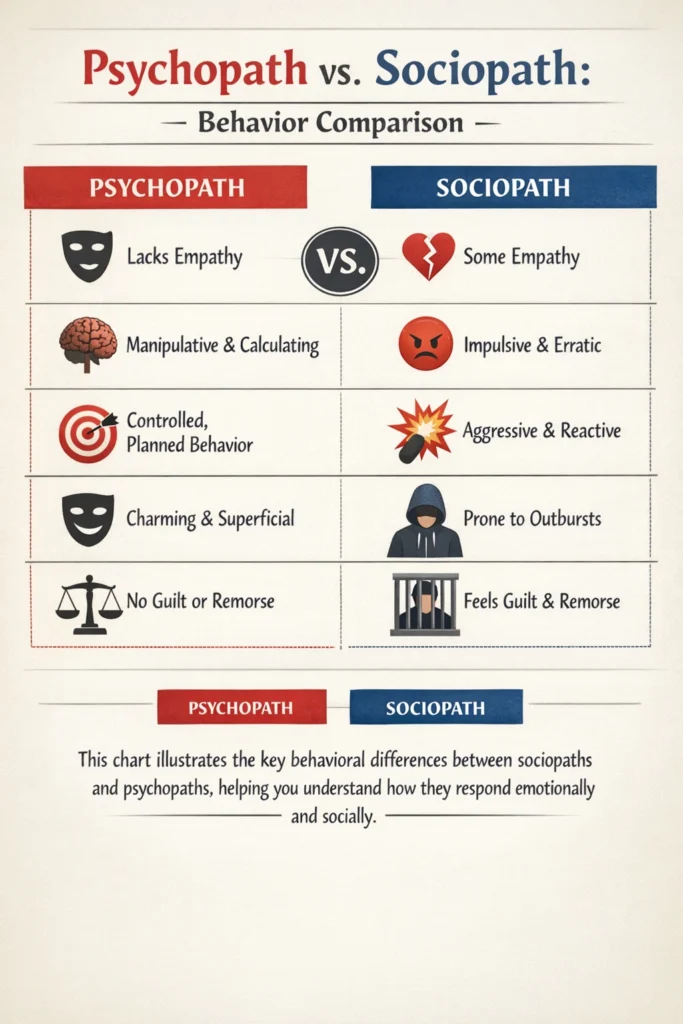
Psychopathic Traits:
- Cold and Calculated: Psychopaths are typically more strategic in their actions and can often blend in with society without being noticed.
- Charming but Deceptive: Psychopaths can be superficially charming, using manipulative tactics to control others without them realizing.
- Lack of Empathy: Psychopaths do not feel empathy for others, which allows them to engage in harmful behaviors without any moral qualms.
Sociopathic Traits:
- Impulsive and Irresponsible: Sociopaths act without thinking about the consequences, making them more unpredictable and prone to violent outbursts.
- Emotional Volatility: Unlike psychopaths, sociopaths can experience fleeting emotions like guilt or frustration, but they rarely feel remorse for their actions.
- Difficulty with Relationships: Sociopaths often fail to form long-lasting relationships and are unable to keep steady jobs.
Information you also need:
- Phobia of the Ocean: Understanding Thalassophobia
- Fear of Big Things: Causes, Symptoms, & How to Coping
Sociopath vs Psychopath in Relationships
When it comes to relationships, both sociopaths and psychopaths can cause harm, but in different ways. The key differences in their behavior and emotional responses significantly impact how they interact with others.
Sociopaths in Relationships:
- Emotional and Impulsive: Sociopaths are often emotionally volatile, and their relationships are marked by constant drama and instability.
- Unpredictable Behavior: They may experience bursts of anger or jealousy, making them difficult to live with or maintain long-term relationships.
- Short-Term Connections: Sociopaths can form emotional bonds, but these relationships tend to be short-lived due to their erratic behavior.
Psychopaths in Relationships:
- Charming but Manipulative: Psychopaths can maintain long-term relationships on the surface because they appear emotionally balanced, even though they are emotionally detached.
- No Emotional Attachment: They may form relationships to serve their personal goals but lack genuine emotional attachment, making them selfish and manipulative.
- Superficial Relationships: Their ability to fake empathy and charm others makes them more dangerous in relationships, as they can deceive people for years.
Sociopathy and Psychopathy in Mental Health and Psychology
Both sociopathy and psychopathy are considered part of the broader diagnosis of Antisocial Personality Disorder (ASPD), but mental health professionals distinguish between them based on origin and behavior.
Mental Health Impact of Psychopathy:
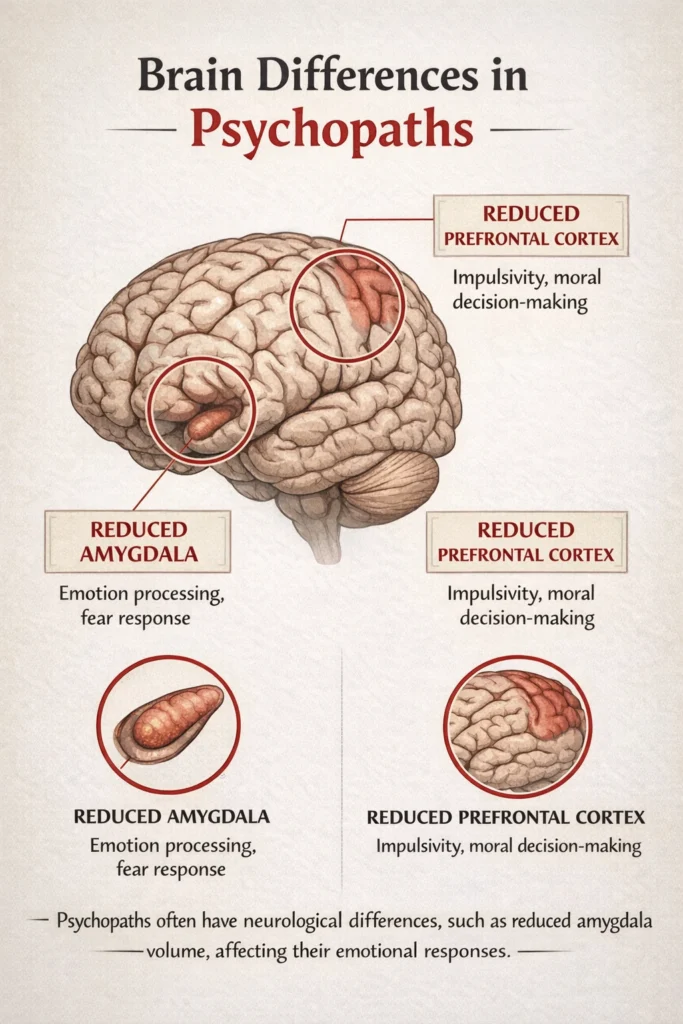
- Psychopathy is often seen as a result of neurological differences, including brain abnormalities that affect emotional processing and empathy.
- While psychopaths are less likely to seek treatment, some research suggests that their traits can be managed with therapy focused on controlling impulsivity and aggression.
Mental Health Impact of Sociopathy:
- Sociopaths, influenced by their environment, can benefit from therapy that addresses impulse control and helps them recognize the consequences of their actions.
- Treatment for sociopaths typically focuses on anger management, social skills development, and cognitive behavioral therapy (CBT).
How to Identify a Sociopath or Psychopath?
Identifying a sociopath or psychopath can be difficult, especially because they often appear normal on the surface. However, there are key traits to look for that can help you distinguish between the two.
Key Signs of Psychopathy:
- Lack of Empathy: Psychopaths are emotionally detached and show no concern for others’ feelings.
- Manipulation: They use charm and deceit to manipulate others for personal gain.
- Superficial Relationships: Psychopaths can engage in relationships but do not form deep, genuine connections.
Key Signs of Sociopathy:
- Impulsiveness: Sociopaths act without considering the consequences of their actions.
- Erratic Behavior: Their emotional volatility makes them prone to violent outbursts.
- Difficulty with Social Norms: Sociopaths often struggle to follow social norms and may violate laws without remorse.
Treatment for Sociopaths and Psychopaths
While both sociopathy and psychopathy are complex conditions, treatment can help manage the behaviors associated with them. However, the nature of the disorder makes treatment challenging.
Treatment for Sociopathy:
- Therapy: Cognitive Behavioral Therapy (CBT) is often used to help sociopaths understand the consequences of their actions and develop healthier ways of coping with emotions.
- Medication: Some sociopaths may benefit from medication to address co-occurring issues like anxiety or depression.
Treatment for Psychopathy:
- Therapy: Psychopaths are often less responsive to traditional therapy due to their emotional detachment, but therapy focused on managing impulsivity can be beneficial.
- Medication: There are no specific medications for psychopathy, but some individuals may benefit from medication to manage impulsive behaviors.
Famous Sociopaths and Psychopaths: Real-Life Examples
Both sociopathy and psychopathy have been widely publicized through the actions of infamous individuals. While these cases are extreme, they can help highlight the most severe forms of these disorders.
Famous Sociopaths:
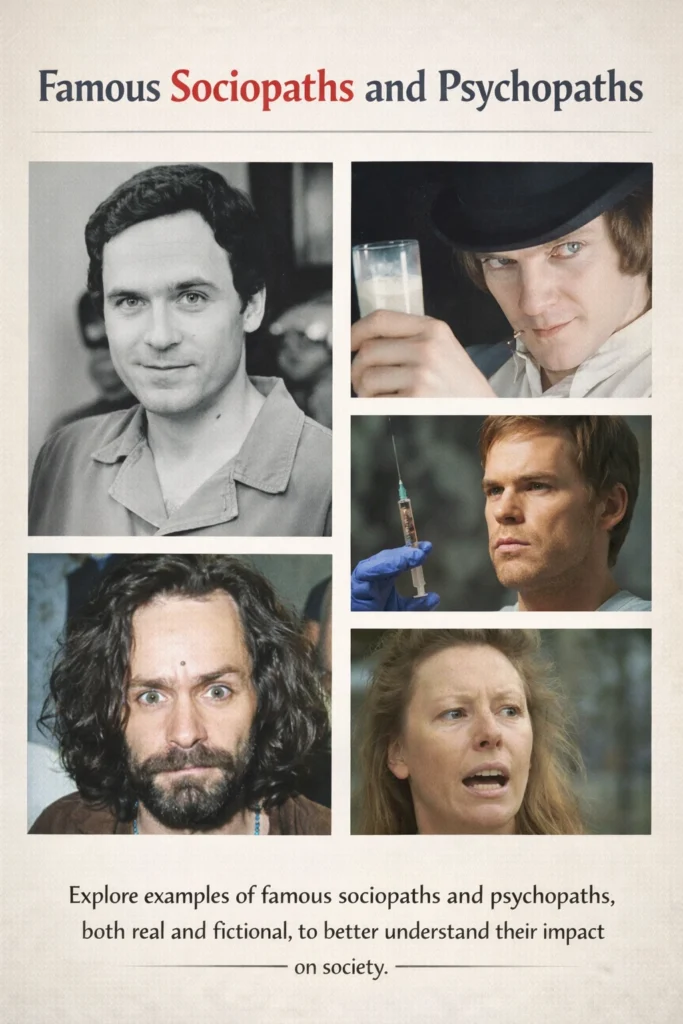
- Diane Downs: A notorious female sociopath who murdered her daughter and attempted to kill her other children, later lying to police about the incident.
- Alex De Large: The fictional sociopath from A Clockwork Orange, whose violent acts and lack of remorse are textbook sociopathic traits.
Famous Psychopaths:
- Ted Bundy: A charismatic serial killer who manipulated and murdered women without feeling any guilt, showing the hallmark psychopathic traits of charm, manipulation, and emotional detachment.
- Jeffrey Dahmer: Known for his gruesome crimes, Dahmer’s psychopathy was marked by his ability to deceive and manipulate his way into gaining the trust of his victims.
Sociopaths and Psychopaths in the Workplace
The workplace can be a challenging environment when sociopaths or psychopaths are involved. Their manipulative and often deceptive behavior can negatively affect coworkers, leading to toxic work cultures.
How Psychopaths Affect the Workplace:
- Manipulation and Deception: Psychopaths can excel in corporate environments by using charm to manipulate others into doing their bidding. This can harm employees’ well-being and create a toxic work culture.
- Leadership: Psychopaths may rise to leadership positions where they use their strategic, emotionless decision-making to further their personal goals, regardless of the consequences to others.
How Sociopaths Affect the Workplace:
- Erratic Behavior: Sociopaths are less predictable than psychopaths and may cause emotional disruptions in the workplace. Their impulsive nature can lead to conflicts and instability.
- Relationship Difficulties: Sociopaths often struggle to work well in teams or maintain long-term employment due to their behavior.
Diagnosing Sociopathy and Psychopathy
Accurate diagnosis of sociopathy or psychopathy requires a thorough clinical evaluation. Mental health professionals rely on specific diagnostic tools to assess traits associated with Antisocial Personality Disorder (ASPD).
Psychopathy Diagnosis:
- The Psychopathy Checklist (PCL-R), developed by Dr. Robert Hare, is used to diagnose psychopathy. It assesses traits like emotional coldness, manipulativeness, and lack of guilt.
- Brain Scans: Some studies show that psychopaths have abnormal brain activity, particularly in areas associated with empathy and impulse control.
Sociopathy Diagnosis:
- DSM-5 Criteria: Sociopathy is diagnosed based on the criteria for Antisocial Personality Disorder (ASPD), which includes patterns of disregard for the rights of others, deceit, impulsivity, and aggression.
- Childhood History: A history of conduct disorder in childhood is a significant indicator for diagnosing sociopathy in adulthood.
Sociopath vs Psychopath in Popular Culture: Myths vs Reality
Popular culture often portrays sociopaths and psychopaths in exaggerated ways. From movie villains to infamous serial killers, these terms are often sensationalized, leading to misunderstandings about the disorders.
Misconceptions in Media:
- Psychopaths as “Evil Genius” Villains: Movies often portray psychopaths as strategic masterminds. In reality, not all psychopaths are successful or capable of maintaining normal lives.
- Sociopaths as Chaotic, Violent Individuals: Sociopaths are depicted as uncontrollable, but not all sociopaths engage in violent crimes. Many struggle with maintaining basic societal norms, but this doesn’t always translate into violent behavior.
Frequently Asked Questions
Conclusion
The terms sociopath and psychopath are often used interchangeably in popular culture, but they represent distinct patterns of antisocial behavior and personality traits. Both fall under the broader umbrella of Antisocial Personality Disorder (ASPD), a mental health condition characterized by a disregard for the rights of others and a consistent pattern of rule-breaking and manipulation. However, the differences between sociopaths and psychopaths are crucial to understand, as they influence the behaviors, emotional responses, and even the potential danger these individuals may pose in society.
Key Differences to Remember
A major distinction lies in their origins. Psychopathy is generally seen as a biologically rooted condition, with psychopathic traits believed to arise from genetic factors and neurological differences in the brain. Psychopaths are often described as “born” this way, exhibiting a profound lack of empathy and emotional depth from a young age. They are typically more cold, calculated, and manipulative, maintaining a facade of normalcy while secretly engaging in harmful behaviors. Psychopaths tend to thrive in high-functioning environments, using their charm and strategic thinking to manipulate situations to their advantage.
In contrast, sociopathy is often referred to as “made,” as it is more commonly linked to environmental factors such as childhood trauma, abuse, or neglect. Sociopaths are usually more impulsive, erratic, and prone to emotional outbursts. They struggle to form long-term relationships and have difficulty maintaining stable employment due to their unpredictable nature. While sociopaths may show occasional guilt or emotional attachment, their behaviors are often driven by intense reactions to the environment around them, leading to explosive outbursts or criminal actions without foresight or planning.
Understanding these differences is vital when discussing the behaviors associated with both sociopathy and psychopathy. The distinction between impulsive, reactive behaviors (typical of sociopaths) and calculated, strategic actions (characteristic of psychopaths) helps to provide clarity in diagnosing, treating, and managing these personality disorders.
The Danger of Misunderstanding
A common misconception is that all sociopaths and psychopaths are violent criminals or dangerous individuals. While it’s true that some may engage in violent behaviors, many sociopaths and psychopaths can go undetected for years, particularly those who exhibit high-functioning traits. Psychopaths, in particular, may use their charm and manipulative tactics to rise in power or influence, often blending in with society’s highest echelons, whether in the corporate world, politics, or even within families. Their ability to plan and deceive makes them potentially more dangerous than the more visibly erratic sociopaths.
On the other hand, sociopaths may also cause harm, but in more direct, impulsive ways. Their lack of impulse control, emotional volatility, and tendency to react to perceived slights can lead to destructive behaviors in relationships, workplaces, or even criminal settings. However, because sociopaths are more likely to display their true nature through angry outbursts and erratic actions, they may be more easily identified and caught than psychopaths, whose behavior is often hidden beneath a calm, collected exterior.
Addressing the Mental Health Impact
The mental health implications of both sociopathy and psychopathy extend beyond the individuals who exhibit these traits—they affect families, communities, and society at large. In many cases, individuals with sociopathic or psychopathic tendencies may never seek help on their own. Psychopaths, in particular, rarely feel the need for treatment since they lack emotional insight and are not typically disturbed by their behavior. Sociopaths, however, may be more likely to seek help if they recognize the consequences of their actions or face legal or social repercussions.
The difficulty in treating both sociopathy and psychopathy arises from the fact that these disorders do not respond well to traditional therapies. Treatment tends to be a long and difficult process, especially when dealing with individuals who have deeply ingrained antisocial traits. For sociopaths, Cognitive Behavioral Therapy (CBT) and anger management techniques may help them manage their impulsive behaviors and recognize the negative effects of their actions. For psychopaths, treatment is more challenging, as their emotional detachment makes it harder to form a therapeutic relationship. However, behavioral therapy may still offer some hope in managing their impulsivity and reducing harmful behaviors.
In some cases, psychopathy may be managed with medications that address co-occurring conditions such as anxiety, depression, or mood disorders. Yet, there is no cure for either disorder, and treatment is often focused on managing behaviors rather than offering a permanent solution.
Identifying the Signs Early
One of the most important steps in dealing with sociopaths and psychopaths is recognizing the signs early. Both conditions often have their roots in childhood, with signs of conduct disorder (CD) appearing before the age of 15 in sociopaths. Early intervention is critical, as it may help mitigate the development of full-blown antisocial behaviors in adulthood. In children and adolescents, signs to watch for include persistent rule-breaking, cruelty to animals, bullying, and lying. If these behaviors are caught early and addressed through therapy or behavioral interventions, there is a better chance of preventing the escalation into more dangerous or harmful behaviors.
In adults, identifying sociopathy or psychopathy can be much more challenging. The emotional coldness and manipulativeness of psychopaths may not always be obvious, and sociopaths’ volatile behaviors may often be mischaracterized as mere personality flaws. Understanding the underlying psychological traits, such as a lack of empathy, impulsivity, and disregard for social norms, can help in identifying these behaviors early and seeking the appropriate treatment.
Moving Beyond the Labels
Finally, it’s essential to move beyond the labels of sociopath and psychopath and focus on treating the person rather than the disorder. While these terms help to categorize extreme antisocial behaviors, each individual is unique and may require a tailored approach to treatment and intervention. Instead of focusing on the label, it’s better to understand the individual’s history, triggers, and symptoms and provide a comprehensive treatment plan that can address the root causes of their behavior.
For those living with a sociopath or psychopath, it’s vital to set clear boundaries, seek professional help, and prioritize personal safety. It’s equally important to understand that these behaviors are not the individual’s fault but are shaped by complex interactions between genetics and environment. Rehabilitation and support are possible, but only with the right tools, resources, and therapeutic approaches.
Final Thoughts on Sociopathy and Psychopathy
The differences between sociopaths and psychopaths may seem subtle, but they are important when it comes to understanding the behavior, origins, and treatment options for these disorders. By recognizing the traits and behaviors associated with each, we can better understand how to manage relationships with individuals displaying these behaviors, seek the appropriate treatment, and ensure that we, as a society, are equipped to deal with the complexities of Antisocial Personality Disorder (ASPD).
If you or someone you know is struggling with traits of sociopathy or psychopathy, seeking professional help is crucial. Early intervention and consistent therapy can make a significant difference in managing these behaviors and improving the individual’s quality of life. With the right care, it is possible for individuals with these disorders to lead productive lives and contribute positively to society.
For more information on mental health support, therapies for antisocial behaviors, or treatment for sociopathy and psychopathy, visit ziwowellnesshealth.com.
References
1. Antisocial Personality Disorder Overview
- Fisher KA, Hany M. Antisocial Personality Disorder. StatPearls. This clinical summary outlines DSM‑5 criteria, core features of ASPD, and how antisocial behavior manifests across adulthood.
2. Psychopathy vs. Sociopathy Research Review
- Spytska L, et al. Symptoms and Main Differences Between a Psychopath and a Sociopath (2024). This research analyzes psychopathy and sociopathy as personality disorder variants, describing etiology, clinical features, and challenges for treatment.
3. Psychopathy and ASPD Neurobiology
- Anderson NE, et al. Psychopathy: developmental perspectives and their implications (2014). This foundational review discusses neurodevelopmental and biological bases of psychopathic traits including emotional deficits and antisocial behavior.
4. Distinction and Overlap Between ASPD and Psychopathy
- Werner KB, et al. Epidemiology, Comorbidity, and Behavioral Genetics of ASPD and Psychopathy (2015). This article reviews how ASPD and psychopathy relate but also differ in interpersonal and affective features versus behavioral components.
5. Conceptual and Historical Perspectives
- Conti RP. Psychopathy, sociopathy, and antisocial personality disorder (2016). This forensic research editorial discusses the historical and conceptual overlap of psychopathy with ASPD and sociopathy.
6. Genetic and Environmental Influences
- Campos C, et al. Refining the link between psychopathy and antisocial behavior (2022). This study highlights distinct empathy profiles and genetic/behavioral associations distinguishing psychopathy from broader antisocial patterns.
- Mariz C. Influence of genetic and environmental factors on development of psychopathy (2022). This systematic review discusses how genetics and early environment interact in psychopathic traits.
7. Psychopathy Diagnostic Tools
- Robert D. Hare — Research on PCL‑R and psychopathy as a measurable construct (University and psychological literature). Hare’s work remains a cornerstone in differentiating psychopathic traits in research and forensic settings.