Discover the Best Teas for Anxiety Relief: Calm Your Mind Naturally
Anxiety is a prevalent condition in today’s fast-paced world, affecting millions of people globally. While there are several treatment options available, including therapy and medication, many people are turning to natural remedies like tea for anxiety relief. Among the variety of teas that are said to help reduce anxiety, green tea stands out due to its purported calming effects. However, some might wonder, can green tea cause anxiety? This article explores the best teas for anxiety relief, the potential effects of green tea on anxiety, and other key insights that can help you make an informed decision about your wellness routine.
What is Anxiety, and How Can Tea Help?
Anxiety is a mental health condition characterized by feelings of unease, worry, or fear. While occasional anxiety is normal, chronic anxiety can interfere with daily life. Many people turn to natural remedies like tea because they believe it provides a gentler, side-effect-free alternative to prescription medications.
Tea has been used for centuries for its calming properties, and certain types are thought to have anxiolytic (anxiety-reducing) effects. Teas contain compounds that can interact with the body’s receptors, helping to induce relaxation. This makes them a popular choice for people seeking ways to manage anxiety naturally.
If you’re struggling with anxiety, understanding the Fear of Big Things
can help you address deeper psychological triggers contributing to your stress.
Best Teas for Anxiety Relief
There are several types of tea known to help manage anxiety. These teas typically contain compounds like theanine, which is an amino acid that promotes relaxation without causing drowsiness. Let’s explore the best options.
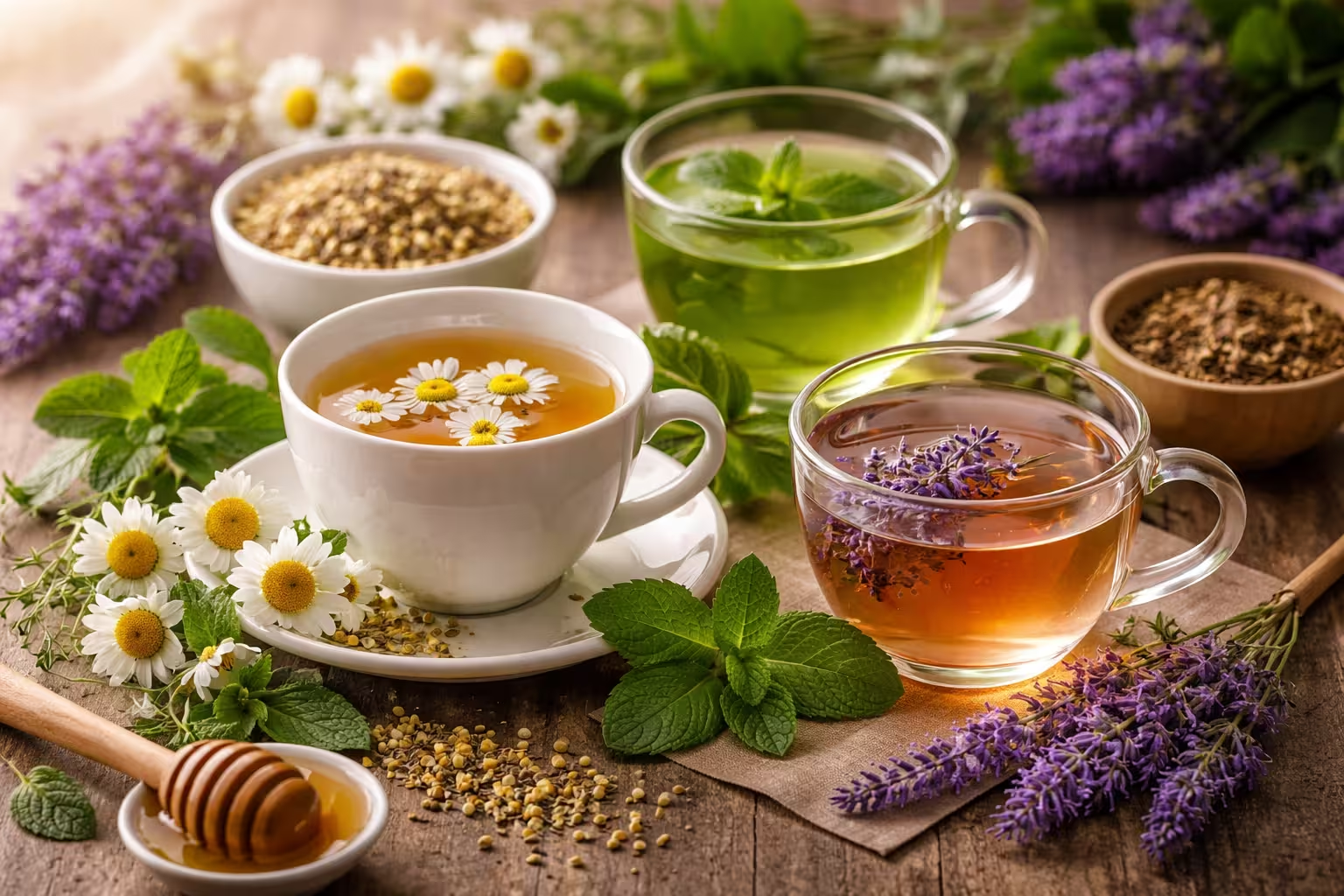
1. Chamomile Tea
Chamomile is one of the most well-known teas for relaxation. It contains antioxidants like apigenin, which binds to specific receptors in the brain, promoting calmness. Studies have shown that chamomile may help lower symptoms of anxiety and improve overall well-being.
Benefits of Chamomile Tea:
- Reduces stress and anxiety
- Promotes better sleep
- Helps with digestion
2. Lavender Tea
Lavender is famous for its calming and soothing properties. Lavender tea is often used to alleviate symptoms of anxiety, promote relaxation, and improve sleep quality. The pleasant aroma and the relaxing effect on the nervous system make it a popular choice.
Benefits of Lavender Tea:
- Reduces anxiety levels
- Enhances sleep quality
- Relieves tension and stress
3. Peppermint Tea
Peppermint tea can help calm the body’s stress response. The menthol in peppermint acts as a muscle relaxant and can help reduce physical symptoms of anxiety like tension headaches and muscle stiffness.
Benefits of Peppermint Tea:
- Soothes upset stomach
- Reduces muscle tension
- Relieves headaches caused by stress
4. Lemon Balm Tea
Lemon balm, a member of the mint family, is known for its calming properties. It has been shown to decrease anxiety, improve mood, and enhance cognitive function. Lemon balm tea is perfect for people who want to feel more relaxed and focused.
Benefits of Lemon Balm Tea:
- Reduces anxiety and stress
- Improves mood
- Supports cognitive health
5. Green Tea
Green tea is often regarded as an anxiety-reducing beverage due to its L-theanine content. L-theanine is an amino acid that promotes relaxation and can lower levels of stress. However, does green tea cause anxiety? Some people may experience heightened anxiety after drinking green tea due to its caffeine content. This is why it is essential to understand your body’s tolerance to caffeine.
Benefits of Green Tea:
- Calms the nervous system
- Improves focus and mental clarity
- Contains antioxidants that support overall health
Does Green Tea Cause Anxiety?
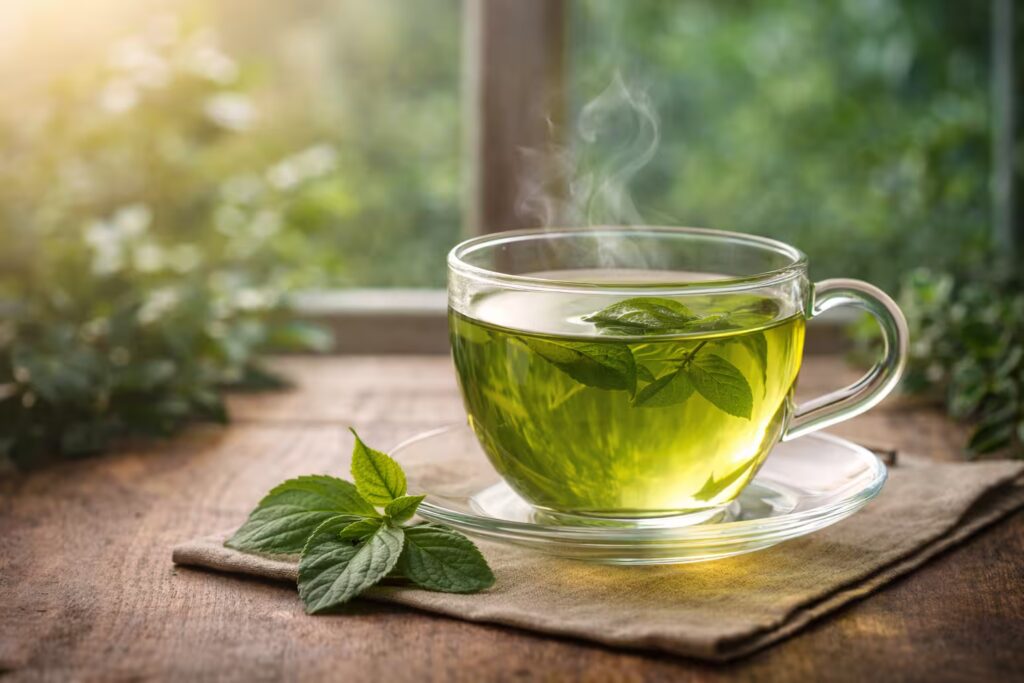
While green tea is considered one of the top teas for anxiety relief, can green tea cause anxiety? For some individuals, green tea can cause anxiety due to its caffeine content. Caffeine is a stimulant that can increase heart rate and promote alertness. In sensitive individuals, caffeine can lead to jitteriness and heightened anxiety. If you’re sensitive to caffeine or if you have been diagnosed with anxiety, you might want to limit your green tea intake or opt for decaffeinated green tea.
How Tea Helps Relieve Anxiety
Tea helps alleviate anxiety through various mechanisms, including:
- Calming effect on the nervous system: Many teas like chamomile and lavender contain compounds that naturally calm the nervous system, leading to reduced feelings of stress and anxiety.
- Amino acids like L-theanine: L-theanine, found in green tea, interacts with brain receptors to promote a sense of relaxation and tranquility. It also enhances cognitive function without causing drowsiness.
- Antioxidants and anti-inflammatory properties: Some teas, including chamomile and peppermint, contain antioxidants that help to reduce inflammation in the body, which can be linked to heightened anxiety.
Can Tea Be Bad for Anxiety?
While tea is generally considered a safe and natural remedy for anxiety, is tea bad for anxiety? The answer depends on the type of tea you consume and your personal tolerance to certain compounds. For example:
- Green tea can sometimes worsen anxiety if consumed in large quantities, especially if you’re sensitive to caffeine. The stimulant effect of caffeine might increase feelings of restlessness or nervousness in some individuals.
- Black tea also contains caffeine, which can be problematic for anxiety sufferers.
- Herbal teas are generally caffeine-free and are less likely to exacerbate anxiety, but it’s still important to pay attention to any individual reactions.
Tea vs. Medication for Anxiety: What’s the Difference?
Tea can be a helpful tool for managing anxiety, but it should not be viewed as a substitute for professional treatment if your anxiety is severe or chronic. Medications like SSRIs (selective serotonin reuptake inhibitors) or benzodiazepines are prescribed by healthcare professionals to treat anxiety disorders, and they are usually necessary for long-term management.
That said, incorporating tea into a comprehensive anxiety management plan can provide additional benefits. It can complement therapy and medication, creating a holistic approach to mental wellness.
Incorporating Stress Management techniques, such as tea for anxiety relief, can significantly improve your overall well-being and reduce the impact of daily stress.
Additional Tips for Managing Anxiety
While tea can be a soothing part of your routine, it is important to incorporate other strategies to manage anxiety. Some additional methods include:
- Regular physical exercise: Exercise helps reduce the body’s stress hormones and releases endorphins, which boost mood.
- Mindfulness and meditation: Practices like deep breathing, meditation, and yoga can significantly reduce feelings of anxiety.
- Adequate sleep: Lack of sleep can increase anxiety, so ensure you are getting enough rest each night.
The Role of Herbal Teas in Mental Health
Herbal teas are often used as a part of holistic wellness practices, especially when it comes to mental health. These teas have been shown to promote relaxation, ease stress, and help manage symptoms of anxiety and depression. Some herbs like chamomile, lavender, and lemon balm are particularly known for their ability to calm the nervous system. By drinking herbal teas, individuals can benefit from the physical and mental calming effects that can support their overall emotional well-being.
Incorporating herbal teas into your daily routine can help reduce the frequency and intensity of anxiety attacks. They are often recommended as a natural alternative or complementary treatment to other mental health therapies like cognitive-behavioral therapy (CBT) or medication.
How to Choose the Right Tea for Your Anxiety Symptoms
Not all teas are created equal when it comes to managing anxiety. It’s essential to choose the right tea that suits your specific symptoms. For example, if you’re dealing with physical symptoms of anxiety like muscle tension and headaches, peppermint tea can help soothe the body. If you’re struggling with sleep disturbances due to anxiety, chamomile tea might be the perfect option to help you relax before bed.
It’s also important to consider whether you’re sensitive to caffeine. If you are, then herbal, caffeine-free teas like lemon balm or lavender might be your best choice. Pay attention to how your body reacts to different types of tea and how each one affects your anxiety levels. By experimenting with different teas, you can find the most effective natural remedy that works for you.
The Science Behind Tea and Anxiety Reduction
Research on the connection between tea and anxiety is still growing, but several studies have indicated that certain compounds in tea may have a profound impact on mental health. For instance, L-theanine in green tea has been found to promote relaxation by increasing the production of serotonin and dopamine, neurotransmitters that help regulate mood. This can have a significant calming effect on the body and mind.
Additionally, studies have shown that the act of sipping tea itself can be therapeutic. The ritual of making and drinking tea creates a pause in the day, helping you focus on the present moment and disconnect from stressors. This mindfulness practice can reduce anxiety and promote mental clarity, making tea a simple yet effective tool for supporting mental health.
Tea as a Self-Care Ritual for Mental Health
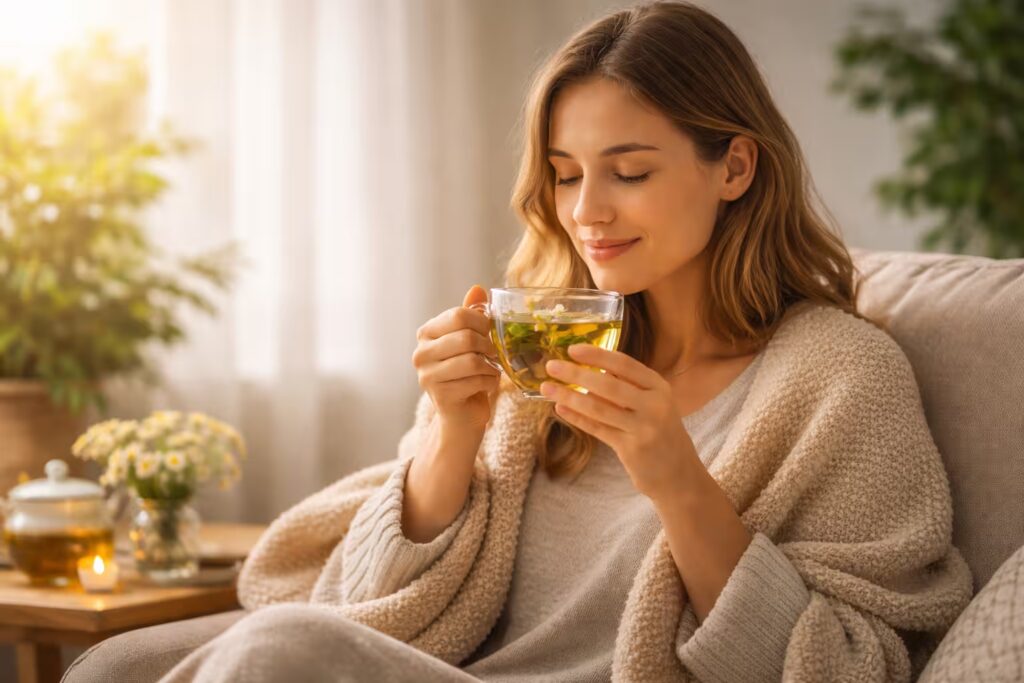
Self-care is an essential aspect of maintaining good mental health, and drinking tea can easily become part of your self-care routine. Taking time out of your busy day to brew a cup of your favorite tea allows you to slow down, focus on yourself, and take a moment of respite from life’s demands. Whether it’s a quiet moment in the morning or a calming cup before bed, this ritual can be a powerful tool in managing anxiety.
Incorporating tea as part of a broader self-care strategy—such as combining it with meditation, journaling, or deep breathing exercises—can enhance its anxiety-reducing effects. Regular tea consumption can be an enjoyable and effective practice to add to your daily mental health care regimen.
FAQs
Conclusion
Incorporating tea into your routine can be a simple yet effective way to manage anxiety naturally. While certain teas like chamomile, lavender, and peppermint have long been known for their calming properties, others like green tea can also provide relaxation benefits due to compounds like L-theanine. However, it’s important to remember that while tea can support mental wellness, it should be part of a well-rounded strategy that includes other methods such as regular exercise, adequate sleep, and stress management practices.
Understanding your body’s response to different teas, especially in relation to caffeine sensitivity, is key to finding the right fit for your anxiety management. Whether you choose tea for its physical relaxation effects, its ability to calm your mind, or simply as a self-care ritual, it’s clear that tea can play a meaningful role in promoting emotional well-being.Ultimately, tea for anxiety serves as a gentle, accessible, and natural way to support mental health, but it should be considered a complement to other professional treatments when necessary. If you find that anxiety is affecting your daily life, it’s important to consult with a healthcare professional for personalized advice. By exploring and incorporating tea into your daily routine, you can take a step towards managing anxiety and nurturing your mental health in a holistic way.