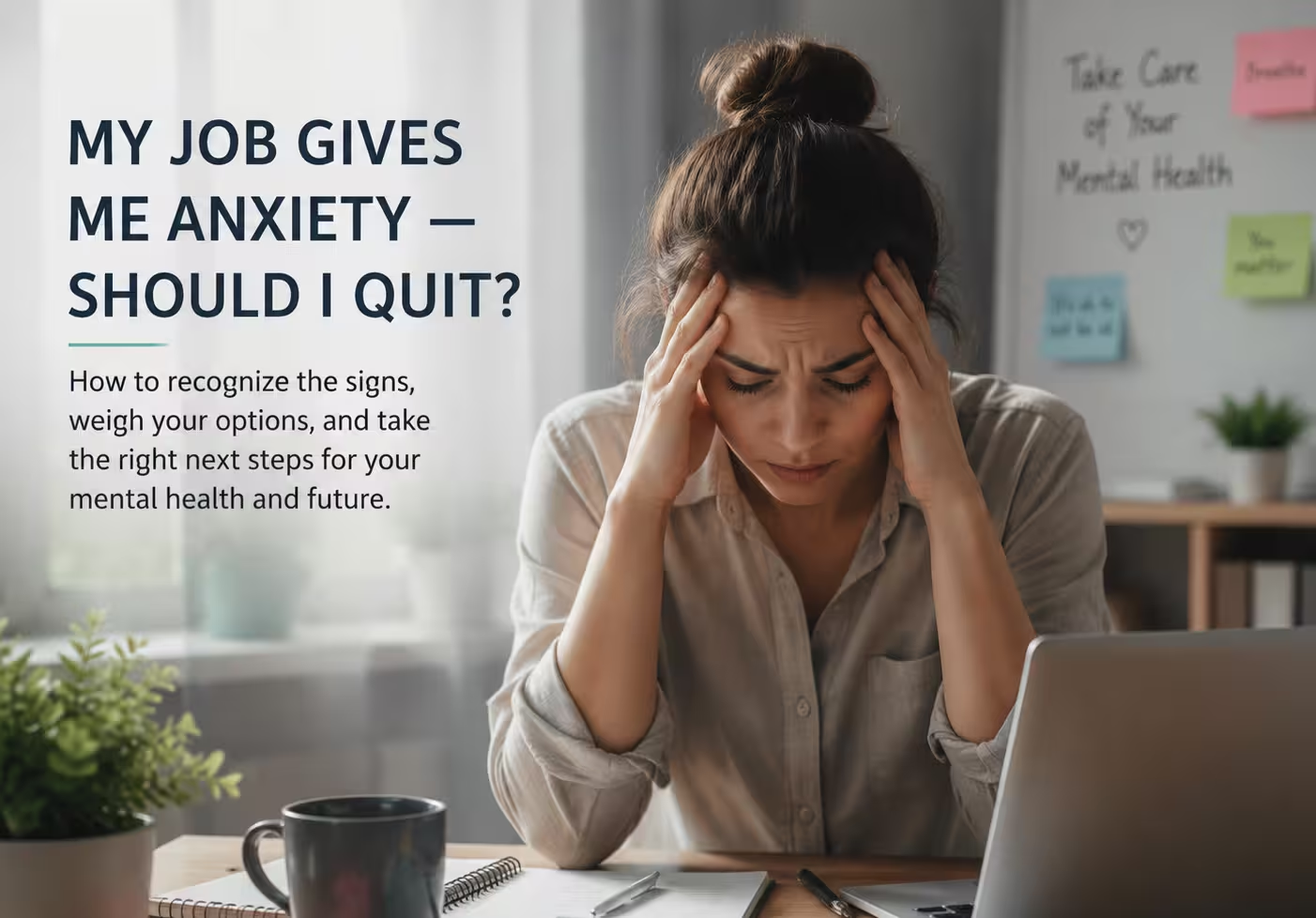
My Job Gives Me Anxiety — Should I Quit?
Many working adults have felt it before. The alarm rings, and you stay in bed, already anxious about the day ahead.
This feeling goes beyond just the Monday blues. For millions, work anxiety is part of everyday life. It can affect your sleep, your relationships, and how you see yourself. If you have ever searched online about quitting your job because of anxiety, you are not alone. You are not weak. Your question matters and deserves a real, honest answer.
This guide will help you understand work anxiety, recognize when it becomes too much, and make choices that protect your mental health and career.
What Does It Mean When Your Job Gives You Anxiety?
Workplace stress and anxiety are different, even though people often mix up the terms. Stress happens when you face external pressures, such as a tight deadline, a tough client, or too much work. Usually, stress goes away once the problem is solved. Anxiety is different. It is a lasting, sometimes unreasonable feeling of worry that sticks around even when nothing is wrong.
If your job causes anxiety, your body stays on high alert because of your work environment. Many things can cause this, such as a toxic boss, an unfriendly team, constant pressure, fear of failure, worry about losing your job, or feeling that your values do not align with the company’s culture.
The key distinction is persistence. If the anxiety about going to work every day does not go away on weekends, holidays, or even after a vacation, that is a signal worth paying close attention to.
Recognizing the Signs: How Bad Is Your Work Anxiety?
Not every stressful week warrants a resignation. But there are specific warning signs that suggest your mental health is being genuinely harmed by your workplace. Be honest with yourself as you read through these.
Physical Symptoms That Show Up Before Work
Your body often knows something is wrong before your mind admits it. Sunday night dread, difficulty sleeping before workdays, nausea in the morning, headaches, chest tightness, and fatigue that does not improve with rest — these are physical signals that your anxiety about going to work every day has become chronic.
When the body begins to treat the workplace as a threat, the fight-or-flight response activates repeatedly. Over time, this causes real physiological wear and tear. It is not “in your head.” It is in your nervous system.
Anxiety at Work Seeping Into Your Personal Life
One of the clearest signs that your situation has become serious is when work anxiety starts ruining your personal life. You cannot enjoy dinner with family because you are mentally replaying a meeting. You cancel plans because you are exhausted from emotional stress. You are irritable, withdrawn, or emotionally unavailable in your relationships.
If work anxiety is ruining your life outside of office hours, that is a major red flag. Your job is supposed to fund your life — not consume it.
You Are Experiencing Panic Attacks at Work
There is a significant difference between feeling anxious and experiencing my job giving me anxiety attacks—meaning full panic attacks triggered by the work environment. Panic attacks involve rapid heartbeat, shortness of breath, dizziness, a sense of doom, and sometimes a feeling of losing control.
If you are having panic attacks because of your job, your body is sending an emergency signal. This level of anxiety is medically significant and should not be dismissed as ordinary stress.
You Have Lost All Motivation and Meaning
Burnout and anxiety often travel together. If you once cared about your work and now feel completely detached, numb, or hopeless about it, that emotional exhaustion is a sign that the job has taken more than it has given. This is especially true when the anxiety is not about one project or one difficult period—it is a permanent feature of the job itself.
Common Causes of Severe Workplace Anxiety
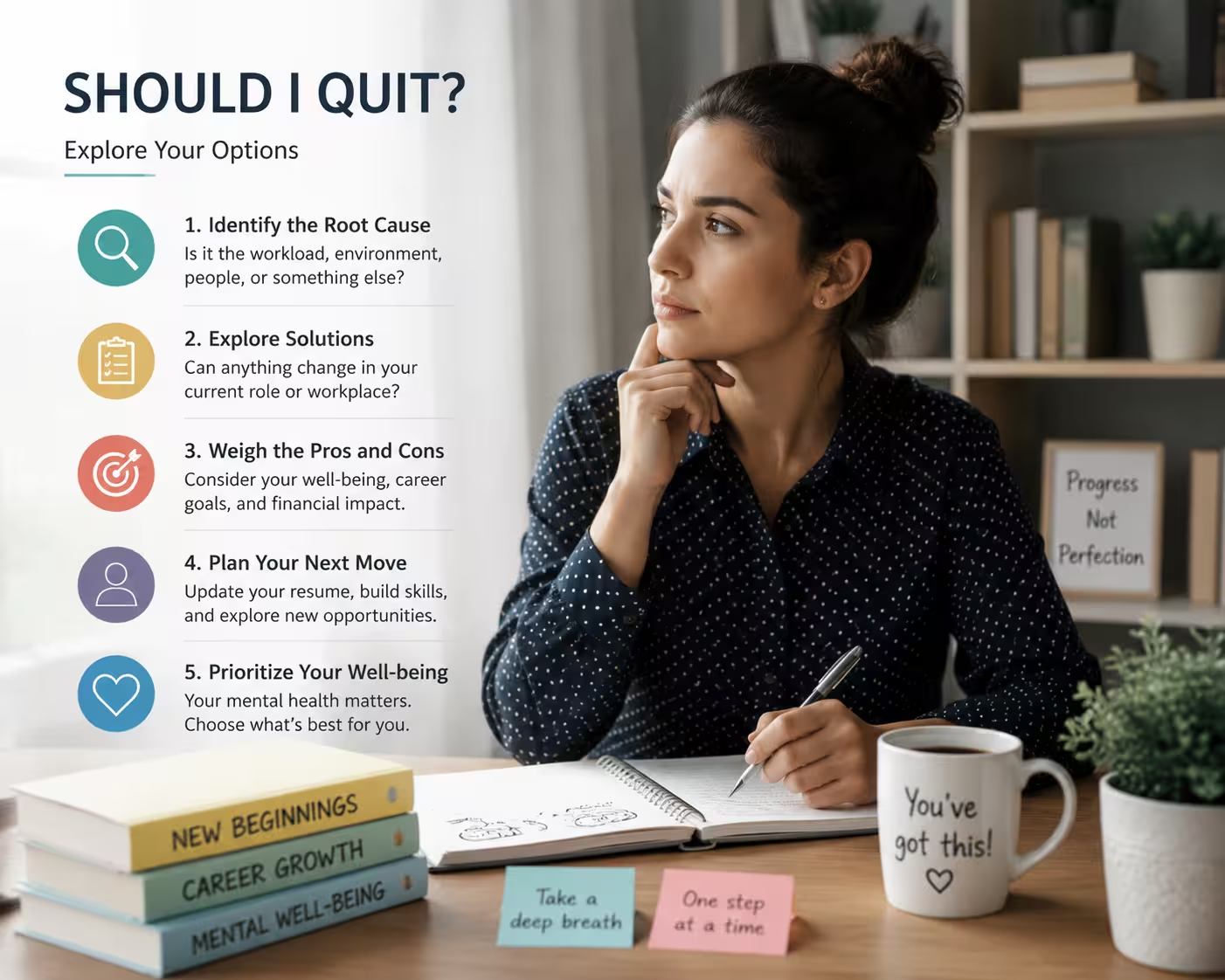
Understanding what is driving your anxiety is essential before making any decision about whether to stay or leave. Some causes can be addressed without quitting. Others cannot.
Toxic Work Environment
A toxic workplace is one where poor leadership, bullying, public humiliation, exclusion, or chronic disrespect are normalized. Research consistently shows that toxic work culture is one of the leading causes of employee burnout and mental health deterioration. If your manager belittles you, your colleagues undermine you, or the culture rewards cruelty, no coping strategy will fix that.
Unsustainable Workload
When you are expected to do the work of two or three people with no acknowledgment, no support, and no end in sight, chronic anxiety is the predictable result. Structural overload is a systemic problem, not a personal failure. If you have raised the issue and nothing has changed, that tells you something important.
Misalignment Between Values and Company Culture
This is one of the most under-discussed causes of workplace anxiety. When the things you value—integrity, creativity, collaboration, and work-life balance—are consistently violated by your employer’s practices, a low-level sense of wrongness follows you to work every day. This existential friction is exhausting and not easily resolved.
Lack of Psychological Safety
Psychological safety — the ability to speak up, make mistakes, and be yourself without fear of punishment — is a cornerstone of healthy workplaces. When it is absent, employees spend enormous mental energy managing risk, watching what they say, and walking on eggshells. That vigilance is deeply draining.
Job Insecurity and Financial Fear
The constant fear of being laid off or of making a mistake that ends your career creates a specific kind of anxiety that is hard to shake. This is especially true in volatile industries or under unpredictable leadership.
Anxiety at Work: When to Quit vs. When to Stay
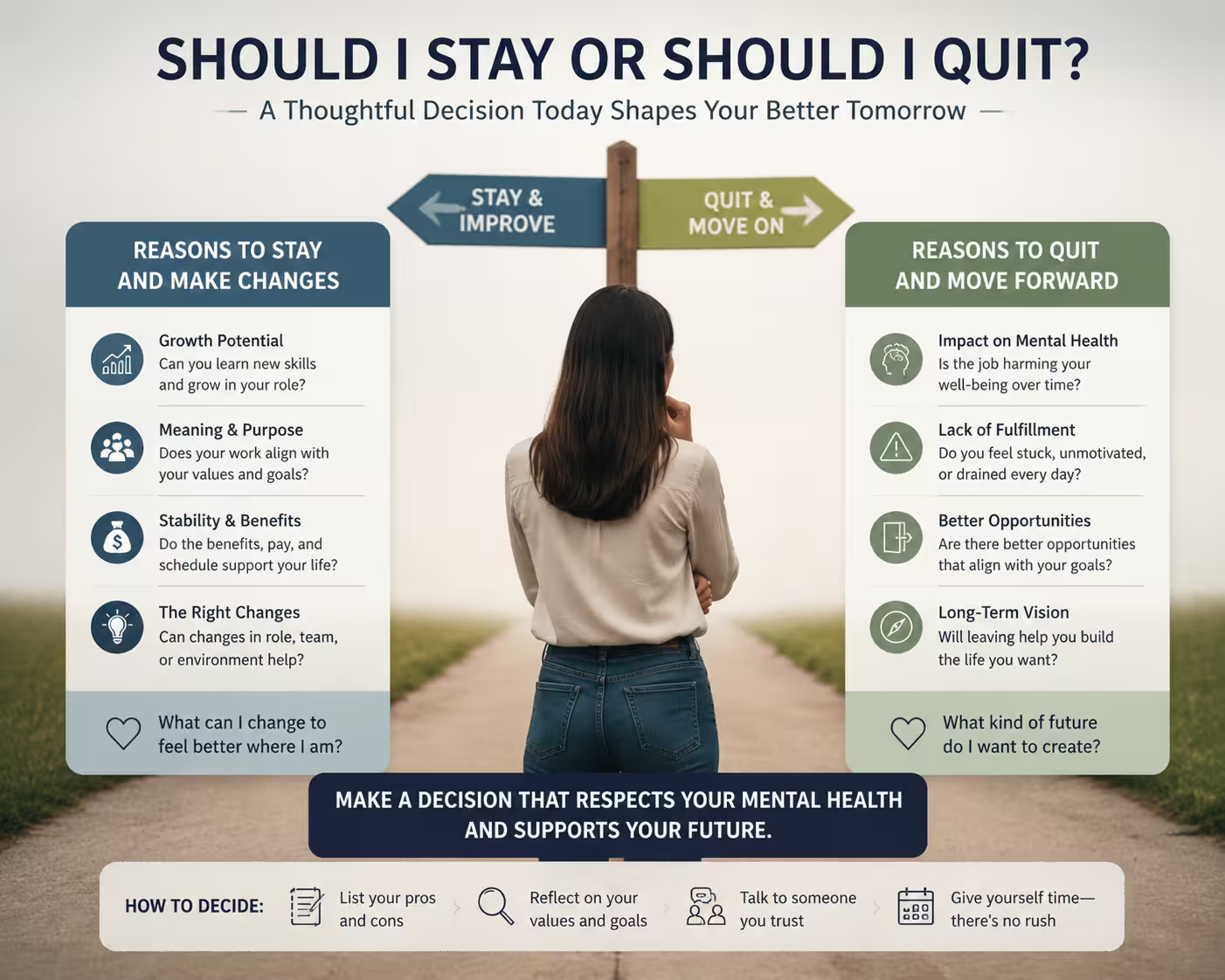
This is the central question—and there is no one-size-fits-all answer. But there are frameworks that can help you decide.
When Staying Might Make Sense
Consider staying if:
- The anxiety is situational—linked to a specific project, team conflict, or short-term pressure that is likely to resolve.
- Accommodations are possible — your employer is willing to adjust your role, workload, or reporting structure.
- Therapy and coping strategies have not yet been tried. Sometimes anxiety at work has more to do with personal patterns than the environment itself.
- Your financial situation would be severely compromised by leaving without a plan.
- You are in a training or learning phase, and the discomfort is growth, not harm.
When Quitting Is the Right Answer
Consider leaving if:
- Your physical health is deteriorating—chronic illness, panic attacks, or significant sleep disruption are ongoing.
- Work anxiety is ruining your life beyond the office—affecting your relationships, your happiness, and your identity.
- You have raised concerns, and nothing has changed.
- The environment is objectively toxic—involving harassment, discrimination, or abuse of power.
- You feel like the thought of going to work gives you anxiety that no coping tool has been able to reduce.
- Your mental health professional has recommended stepping away.
The decision to quit should not be made impulsively. But it also should not be delayed indefinitely when the evidence is clear that the workplace is harming you.
Before You Quit: Steps Worth Taking First
Leaving a job is a significant decision with financial and professional consequences. Before submitting your resignation, consider these steps.
Talk to a Mental Health Professional
A therapist, psychologist, or counselor who specializes in workplace stress can help you distinguish between situational anxiety and a toxic environment. They can also help you build coping tools, process your experience, and make a more grounded decision. This step alone can be transformative.
Document Everything
If your anxiety is linked to specific behaviors—harassment, unreasonable demands, hostile management—keep a record. This protects you legally and gives you clarity about the actual patterns at play.
Have an Honest Conversation with HR or a Trusted Manager
In some cases, raising the issue through proper channels results in real change. Particularly if the problem is a single difficult colleague or a fixable structural issue, formal documentation and a candid conversation may shift things significantly.
Explore Internal Transfers
If the company itself is not the problem — only your team, role, or manager — an internal transfer might preserve your career progress while removing the toxic element.
Build a Financial Safety Net Before You Leave
If you decide that leaving is right for you, do not quit in the heat of the moment if you can avoid it. Having two to three months of expenses saved gives you breathing room to job search without desperation or panic.
Start a Confidential Job Search
You do not have to wait until you have quit to begin looking. A quiet, discreet job search while you are still employed keeps your options open and gives you negotiating power.
Coping Strategies for Work Anxiety While You Decide
Whether you ultimately stay or go, the period of decision-making can be brutal. These evidence-based strategies can help reduce the intensity of what you are experiencing.
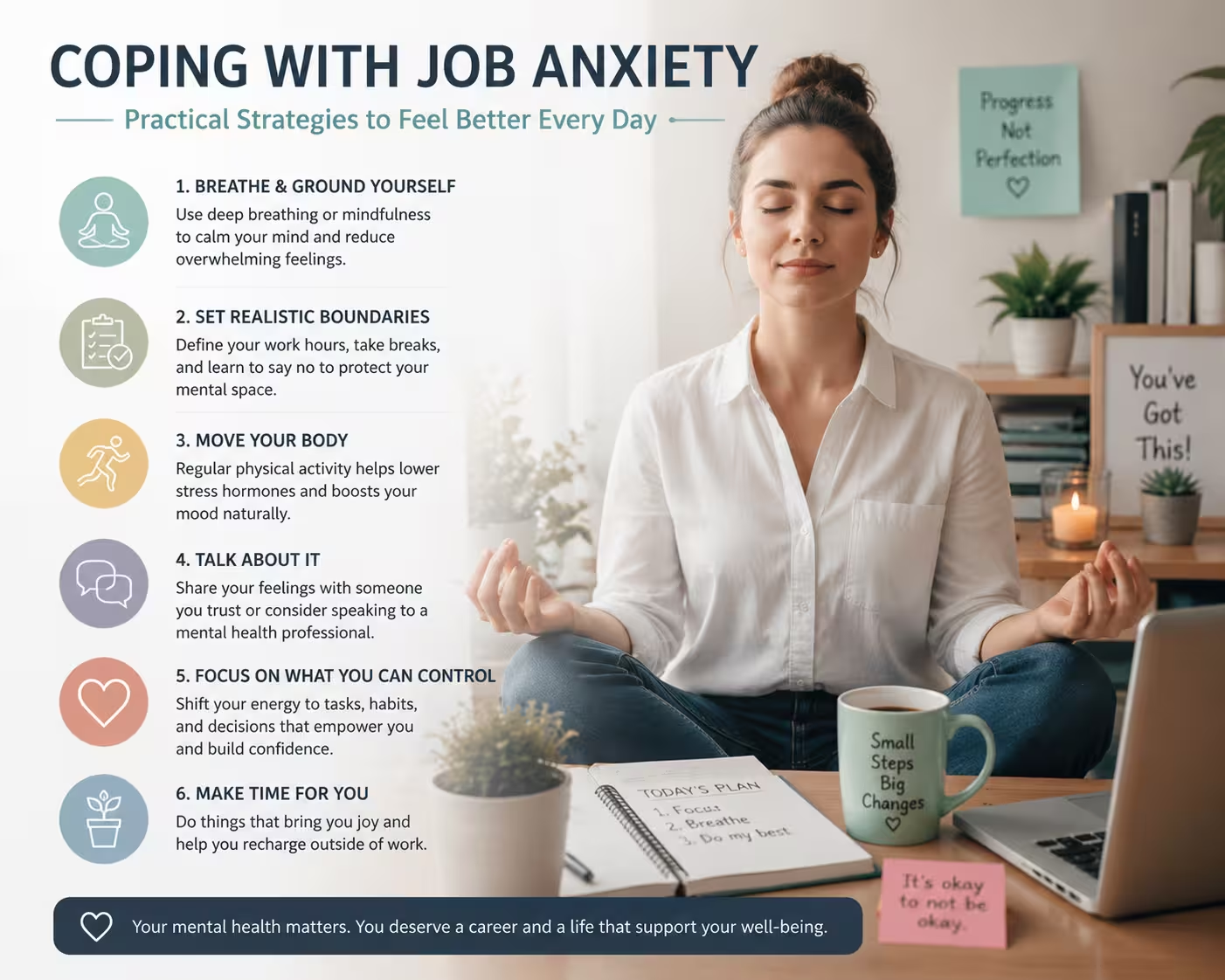
Establish firm boundaries. If work messages follow you into evenings and weekends, begin setting digital limits. Turn off notifications after hours. Protect at least some personal time as genuinely work-free.
Practice regulated breathing. When the anxiety about going to work every day spikes—particularly in the morning—slow, controlled breathing (inhale for four counts, hold for four, exhale for six) activates the parasympathetic nervous system and reduces the acute stress response.
Name the specific fear. Vague anxiety is harder to manage than specific fear. Ask yourself, what exactly am I afraid of today? Naming it often reduces its power.
Move your body. Regular physical exercise is one of the most well-documented anxiety reducers available. Even a 20-minute walk before work can meaningfully shift your baseline.
Talk to someone you trust. Isolation intensifies anxiety. A friend, partner, or mentor who can listen without judgment — or simply confirm that your experience sounds genuinely difficult — can provide enormous relief.
The Long-Term Cost of Staying in a Job That Harms You
This is what rarely gets discussed openly: there is a real cost to not leaving. Prolonged exposure to a toxic or anxiety-inducing workplace does not just feel bad in the moment. It accumulates.
Research on chronic workplace stress links it to increased risk of depression, cardiovascular disease, immune suppression, and cognitive decline over time. Beyond physical health, there is an identity cost: when your job gives you anxiety every single day for months or years, it begins to reshape how you see yourself—your confidence erodes, and your sense of possibility shrinks.
Many people who finally leave a harmful work environment report that they wish they had done it sooner. Not because the transition was easy, but because the relief was immediate and the damage was real.
What Life Can Look Like After Leaving
Leaving a job that gives you anxiety is not giving up. It is a choice to protect your health and redirect your energy somewhere more sustainable. Many people find that after leaving a toxic workplace:
- Sleep improves within weeks.
- Physical symptoms like headaches and fatigue diminish.
- Relationships improve as emotional availability returns.
- Confidence and creativity begin to recover.
The job market, while imperfect, does offer options. And your skill set, experience, and capacity for growth did not disappear because one workplace failed to see it.
Conclusion
If your job gives you anxiety to the point where it is affecting your health, your relationships, and your daily quality of life, that is not something to push through indefinitely. Anxiety at work—when to quit—is a deeply personal question, but it has real answers rooted in how your body and mind are responding to the environment.
Start with honest self-assessment. Seek professional support. Take practical steps before making a leap. And trust that your mental health is not a luxury — it is a foundation. Without it, no career advancement, salary, or title holds much meaning.
You deserve a work life that does not cost you your well-being. Whether that means fixing what is broken in your current role or finding the courage to leave, the path forward begins with taking your anxiety seriously.