

How to Overcome the Fear of Being Trapped: Practical Steps for Feeling Free
Feeling trapped in life is a common but deeply unsettling experience. Whether you’re physically stuck in a situation, or emotionally confined by your thoughts, the fear of being trapped can feel overwhelming. This feeling might manifest as being stuck in an unfulfilling job, living in an environment you dislike, or simply feeling stuck in your mind. If you’re dealing with this emotional prison, understanding its causes and how to manage it is crucial.
In this article, we’ll explore the concept of the fear of being trapped, its underlying causes, the psychological impact it can have, and actionable strategies to regain control and freedom. We’ll also delve into why many people feel stuck, the connection to self-perception, and how you can break free from these patterns.
What is the Fear of Being Trapped?
The fear of being trapped is an emotional response to situations where an individual feels they have no control or escape. This feeling can arise from various situations: being physically confined, stuck in relationships, or even mentally imprisoned by self-doubt.
For many, this manifests as a feeling of helplessness and desperation, coupled with a belief that no way out exists. Whether it’s being stuck in a routine or feeling stuck in life choices, these thoughts can lead to a chronic sense of unease.
Why Do I Feel Trapped in My Life?
If you’re asking, “Why do I feel trapped in my life?”, it’s important to recognize that this feeling is often tied to specific life experiences, including:
- Unmet expectations: When life doesn’t align with your dreams, you can feel trapped by your own desires and aspirations.
- Fear of change: The unknown can feel like a prison, preventing people from making necessary changes.
- Lack of support: Without guidance or external support, it can be easy to feel as though you’re navigating life alone, further reinforcing the feeling of being stuck.
- Negative self-talk: Constantly telling yourself that you’re stuck creates a self-fulfilling prophecy, locking you in the perception that escape is impossible.
The key is recognizing that the feeling of being trapped is often more about perception than reality.
The Connection Between Feeling Stuck and Personal Growth
While feeling trapped can be paralyzing, it is also closely linked to growth. When you feel stuck, it can signify that you’re at a crossroads in your life — a pivotal moment where change is necessary. This emotional deadlock often precedes personal breakthroughs, as it forces you to question your current circumstances and goals.
The key is to reframe the feeling of being stuck as a potential catalyst for growth. It signals the need for self-reflection, change, and action.
Common Causes of Feeling Trapped
External Factors
- Environmental Restrictions: Living in a place that feels isolating or uncomfortable can trigger feelings of entrapment. For example, “I hate where I live and feel trapped” is a common sentiment. This often stems from dissatisfaction with the physical environment, such as a home, city, or workplace.
- Lack of Opportunity: If your personal or professional life feels stagnant, you might feel trapped by circumstances beyond your control. In careers where promotion opportunities are limited, or personal growth is stifled, people often feel like they are stuck with no way to progress.
Internal Factors
- Self-Doubt: Many people feel trapped because of fear of failure. They question their abilities or feel that their efforts won’t lead to success. This negative mindset can result in paralysis by analysis, preventing any attempt at change.
- Emotional Baggage: Past trauma or unresolved emotional issues can weigh heavily, creating a mental prison. These unresolved emotions prevent individuals from moving forward, often reinforcing the sense of being trapped.
Understanding the Psychological Impact of Feeling Trapped
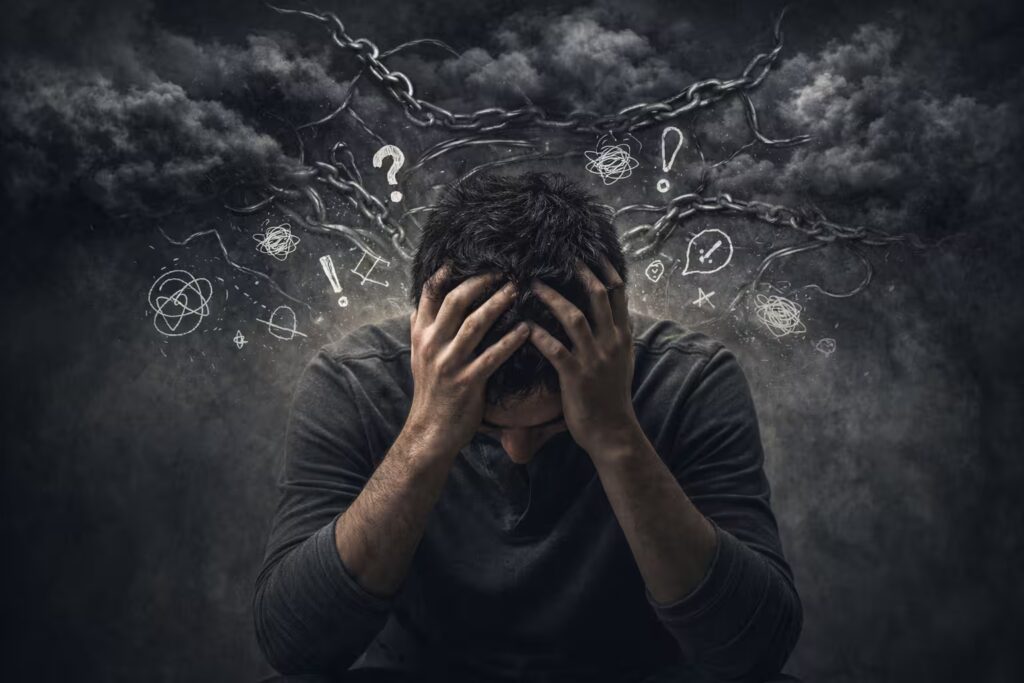
Psychologically, feeling stuck is draining. It often manifests as anxiety, depression, and stress. The constant pressure of feeling unable to escape can lead to a decrease in motivation, lowered self-esteem, and a loss of hope. This cycle only exacerbates the sensation of being trapped, further impacting one’s mental health and overall well-being.
People who feel trapped often experience:
- A sense of powerlessness
- Chronic frustration
- Avoidance behavior (avoiding change or taking risks)
- A lack of clarity about what to do next
The fear of being trapped isn’t just an emotional issue; it’s a psychological battle that can negatively impact relationships, career progression, and overall life satisfaction.
Overcoming the Fear of Being Trapped: What to Do When You Feel Stuck

If you’re feeling stuck or trapped, the first step is to acknowledge it and understand that it’s okay to feel this way. Many people face periods of emotional stagnation — the important part is how you respond.
Here are several actionable steps to overcome the fear of being trapped:
1. Identify Your Triggers
Understanding the cause of your feelings is the first step. Are you feeling stuck due to work, relationships, or personal limitations? Once you pinpoint the root cause, you can begin to work on solutions.
2. Practice Self-Reflection
Taking time for introspection can provide insight into why you’re feeling stuck. Reflecting on your goals, desires, and fears can help you break free from negative thought cycles.
3. Set Achievable Goals
Start small. If you feel overwhelmed by the idea of significant life changes, break your goals into manageable steps.
4. Seek Support
Don’t be afraid to reach out for professional help. Therapists, coaches, and mentors can offer new perspectives and guide you in overcoming your mental blocks.
5. Challenge Negative Thoughts
Question the validity of your feelings. Are they based on facts, or are they exaggerated thoughts that have built up over time? Changing your internal narrative can be transformative.
How to Reframe Your Thinking and Find Freedom
The key to escaping the fear of being trapped is reframing your mindset. Instead of seeing yourself as “stuck,” try seeing it as a moment of reflection.
- Embrace the discomfort: Feeling stuck often signals the need for a change. Reframe it as an opportunity for growth, not a permanent condition.
- Focus on what you can control: Identify the aspects of your life you can change and take deliberate action to improve them. Even small changes can have a big impact on how you feel.
The Impact of Feeling Trapped on Mental and Physical Health
Experiencing the fear of being trapped can have serious consequences on both mental and physical health. People who feel stuck often experience increased levels of stress, anxiety, and depression, leading to a variety of health concerns. It’s important to understand how being trapped can affect not only your mindset but also your body.
Key Health Impacts
Mental Health: Prolonged feelings of being stuck may lead to depression, chronic anxiety, and self-doubt.
Physical Health: Stress caused by feeling trapped can increase cortisol levels, leading to physical ailments such as headaches, stomach problems, and even heart disease.
|
Mental Impact |
Physical Impact |
|
Depression |
Insomnia |
|
Anxiety |
Muscle tension |
|
Loss of motivation |
Digestive issues |
|
Negative self-talk |
High blood pressure |
Statistical Insight
- 31% of adults in US report feeling trapped in their job or personal lives at some point, according to a 2024 Gallup survey on employee engagement.
- 60% of people feeling trapped at work experience severe burnout symptoms, impacting their productivity and well-being.
Understanding the Link Between Fear of Being Trapped and Self-Esteem
Self-esteem plays a major role in the fear of being trapped. When you feel like you’re trapped in a situation, your sense of self-worth often diminishes, and you may feel powerless to change. The inability to see a way out can lead to self-criticism and decreased confidence. Here’s how you can break this cycle:
The Self-Esteem Trap
- Negative self-talk: People feeling trapped often criticize themselves, reinforcing their feelings of being stuck.
- Fear of failure: Low self-esteem makes it hard to take risks, which only deepens the feeling of entrapment.
- Perfectionism: High expectations can lead to feelings of inadequacy, especially when things aren’t going as planned.
Ways to Break Free
- Challenge your negative beliefs: Replacing self-critical thoughts with positive affirmations can significantly boost your self-esteem.
- Set realistic goals: Small, achievable goals can make you feel empowered, leading to increased self-worth.
Overcoming the Fear of Being Trapped: Stories of People Who Successfully Escaped
Real-life examples can be powerful motivators for those struggling with the fear of being trapped. Stories of individuals who overcame their challenges can offer inspiration and practical strategies for overcoming feelings of being stuck. Here are a few examples of how people have broken free from feeling trapped:
Case Studies
From Stagnation to Success: Jane’s Story: Jane had been in an unfulfilling job for over five years, constantly feeling stuck. After attending a career counseling session, she realized her true passion for writing. She started a freelance writing career, which led her to a fulfilling new path.
Overcoming Personal Struggles: David’s Journey: David felt trapped in an abusive relationship. After seeking therapy and legal help, he eventually moved into a safer environment, reclaiming his freedom and mental peace.
Key Takeaway
These stories show that the path to freedom often starts with acknowledging the situation and taking small steps toward change.
How to Build Emotional Resilience to Combat the Fear of Being Trapped
Building emotional resilience can be one of the most effective strategies to combat the fear of being trapped. Resilient individuals are better able to handle stress, confront difficult situations, and bounce back from setbacks. Strengthening this resilience can help you move past feelings of being stuck and regain control.
Techniques to Build Resilience
Statistical Insight
A study published in the Journal of Personality and Social Psychology shows that individuals with higher emotional resilience tend to have lower levels of anxiety and depression.
|
Resilience Building Techniques |
Benefits |
|
Mindfulness |
Reduces stress and anxiety |
|
Cognitive reframing |
Increases problem-solving |
|
Social support |
Enhances mental well-being |
Practical Strategies to Get Unstuck
1. Create a Vision Board
A vision board can help you visualize your goals and dreams. By seeing your desired life, you’re reminded that you’re not stuck — you just need a plan to get there.
2. Engage in New Experiences
When you feel trapped in your routine, try something new. It could be a hobby, a new workout, or a trip. New experiences can provide fresh perspectives and break the monotony of feeling stuck.
3. Work on Your Self-Worth
Your feelings of being trapped are often linked to self-worth. Working on boosting your confidence and self-love can empower you to take the steps necessary to free yourself.
Frequently Asked Questions
Conclusion
Feeling trapped in life is a challenging experience, but it’s not permanent. By understanding the causes and impact of feeling stuck, you can take control and break free from the limitations you’ve imposed on yourself. Whether it’s reevaluating your environment, your mindset, or seeking professional help, there are multiple strategies available to regain your sense of freedom and purpose.