
How to Reduce Stress Naturally Fast: Simple Techniques You Can Use Today
Quick Answer: How to Reduce Stress Naturally (Do This Now)
How to reduce stress naturally starts with calming your nervous system first—slow your breathing, relax muscle tension, and let your body signal “safe” before you try to fix the problem.
Stress doesn’t always feel like “stress.” Sometimes it shows up as a tight jaw on a random Tuesday, a racing mind at 2:00 a.m., or a short fuse with people you actually love. You tell yourself you’ll slow down “after this week,” but the week never ends. The truth is simple and annoying: you can’t delete stress from life, but you can train your body and brain to recover faster, react less aggressively, and stop living in constant alert mode. That’s what this guide is built for—real-world relief that works in minutes and habits that last.
This isn’t a fluffy “light a candle and manifest peace” article. You’ll get a stress first-aid protocol, a daily structure that supports your nervous system, and a beginner-friendly 7-day plan. You’ll also learn how to customize your approach based on what’s actually driving your stress—work overload, sleep debt, relationship tension, health anxiety, or nonstop screens. And because safety matters, you’ll see exactly when “natural tools” are enough and when you should get more support.
Understanding Stress (Why It Feels So Physical)
Stress is your body’s built-in alarm system. In short bursts, it can help you focus and respond to challenges. The problem is modern life keeps the alarm half-on all day—emails, bills, family responsibilities, news, social pressure, and the constant sense that you’re behind. When stress becomes long-term, it stops being helpful and starts affecting sleep, mood, concentration, appetite, and even physical symptoms like headaches and stomach issues. The CDC describes stress as a normal response, but warns that long-term stress can worsen health problems and daily functioning.
A useful way to think about stress is:
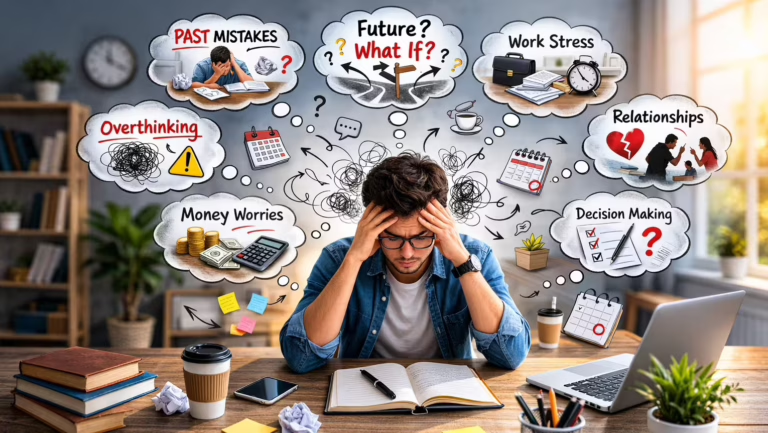
Trigger → Body reaction → Story in your mind → Habit loop.
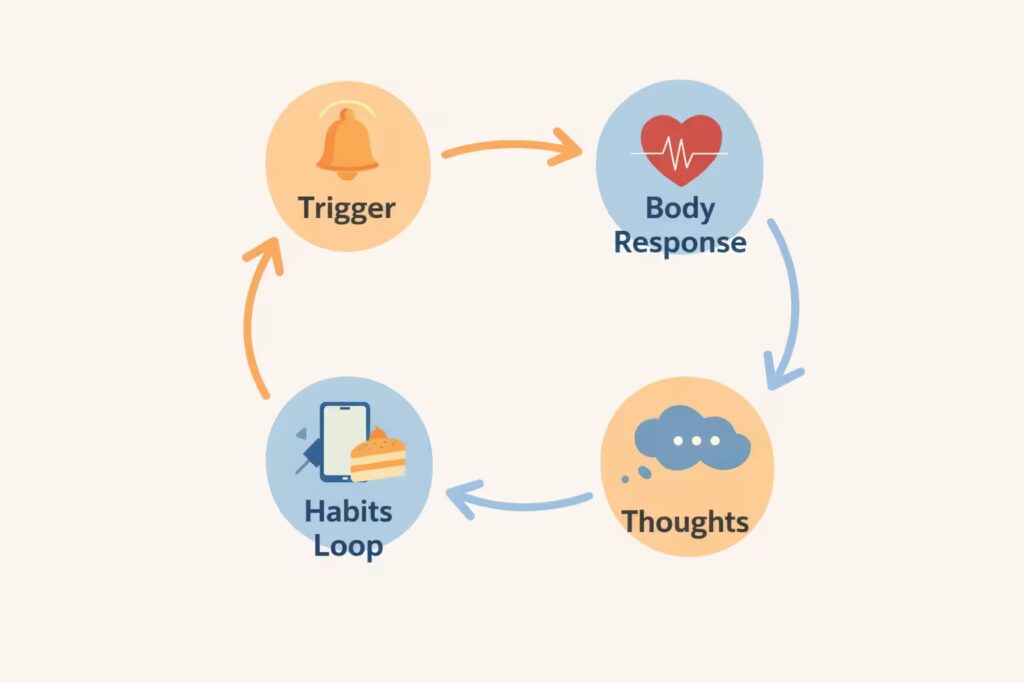
The trigger might be real (a deadline) or perceived (a “what if” scenario). Your body reacts fast—tension, faster breathing, a jumpy heart. Then your mind adds a story (“I can’t handle this”), and your habits follow (doomscrolling, procrastination, overeating, snapping at people). Many top medical resources recommend identifying stress triggers and separating what you can control from what you can’t, because that’s where effective coping starts.
Stress vs. Anxiety
Stress is often tied to a pressure or demand (even if it’s internal). Anxiety can persist even when the immediate pressure is gone, and it can feel more like ongoing worry, dread, or physical unease. Some popular clinical guides emphasize that stress and anxiety overlap but aren’t the same, and they warn that self-care tips are not a replacement for professional treatment when symptoms are severe. If your stress feels relentless, causes panic symptoms, or disrupts your daily life, you’re not “weak”—you’re overloaded, and you deserve real support.
Common Signs You’re Over-Stressed
Stress can hide in plain sight. Use this as a quick self-check:
- Mental: racing thoughts, forgetfulness, trouble focusing, irritability
- Emotional: feeling numb, overwhelmed, easily frustrated, sudden sadness
- Physical: headaches, muscle tension, stomach problems, stress hives and poor sleep
- Behavioral: procrastination, withdrawal, increased alcohol/smoking, scrolling late at night
The CDC lists sleep problems, trouble concentrating, appetite changes, physical pains, and worsening chronic conditions as common stress impacts. When your signs are showing up daily, it’s time to stop “pushing through” and start building recovery into your routine.
A 2–10 Minute “Stress First Aid” Protocol (Use This Anytime)
If you’re wondering how to reduce stress naturally, focus on small daily habits that compound: consistent sleep, steady meals, and short walks that reset your mind and body. When you’re stressed, your brain wants solutions that are immediate. That’s not laziness—it’s biology. So here’s the rule: calm the body first, then solve the problem. The goal is to switch from a high-alert stress response to the relaxation response, which slows the heart rate and reduces stress hormones over time. The NCCIH describes this as a built-in “reset button,” and it’s exactly what you’re about to practice.
Use this protocol when you feel rushed, shaky, angry, overwhelmed, or stuck. Don’t debate whether it’s “working” mid-way—just do the steps like a recipe. Most people notice at least a small shift quickly, and small shifts are how you reclaim control.
Step 1: Slow Breathing (2 minutes, no drama)
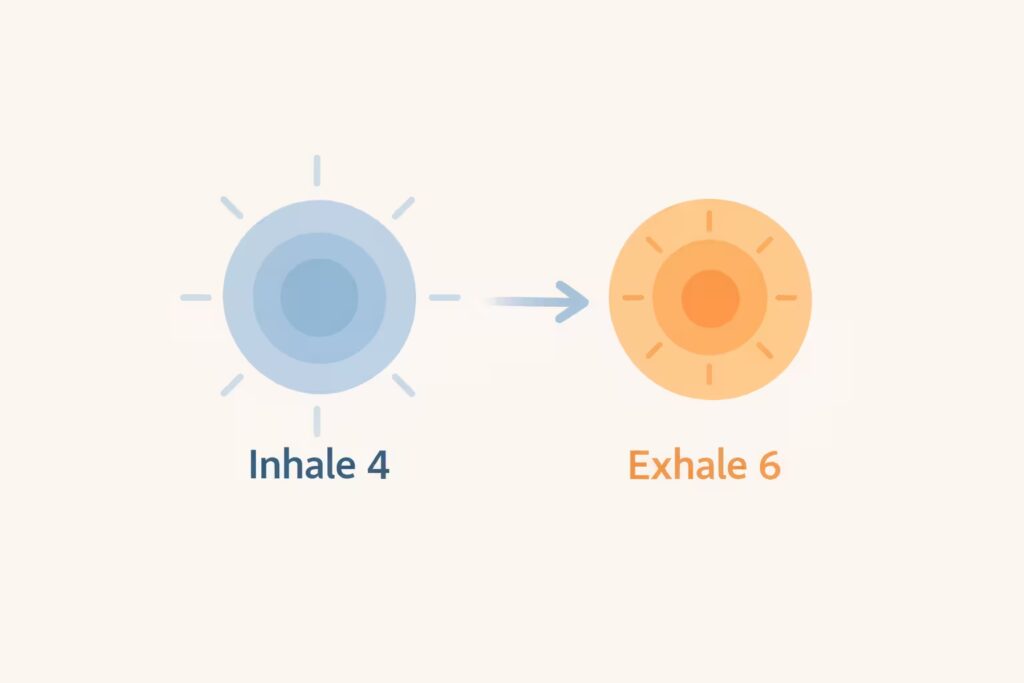
Slow, deep breathing helps signal safety to your nervous system. Evidence reviews summarized by NCCIH note that diaphragmatic breathing may reduce cortisol and modestly lower blood pressure, which is exactly what you want when stress is peaking.
Try this 2-minute pattern:
- Inhale through your nose for 4 seconds
- Exhale slowly for 6 seconds
- Keep shoulders relaxed, jaw unclenched
- Repeat for 10–12 cycles
If you prefer structure, you can also use 4-7-8 style timing (inhale, hold, longer exhale), but don’t strain—comfort matters more than perfection. The point is longer exhales, because they help your system downshift.
Step 2: Progressive Muscle Relaxation (3–5 minutes)
Stress isn’t only thoughts—it’s stored in muscles. Progressive muscle relaxation (PMR) is simple: you tense a muscle group briefly, then release fully, teaching your body the difference between tension and relaxation. The NCCIH notes PMR can produce stress-alleviating effects and may help anxiety and depression symptoms in some people.
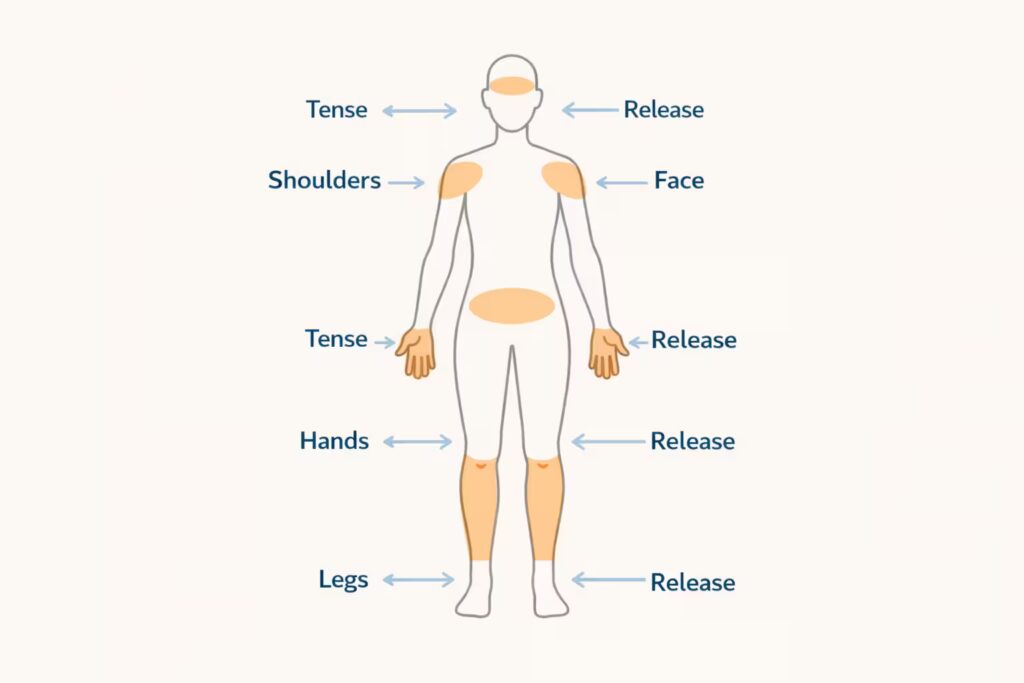
Quick PMR sequence:
- Hands: clench fists 5 seconds, release 10 seconds
- Shoulders: shrug up 5, release 10
- Face: squeeze eyes 5, relax jaw 10
- Belly: tighten 5, soften 10
- Legs: tense thighs 5, release 10
Do it once through. You’re not chasing bliss—you’re interrupting the stress loop.
Step 3: Grounding (60–90 seconds) to Stop Mental Spirals
Grounding pulls your attention out of catastrophic future-thinking and back into the present. This is especially useful when stress is fueled by “what if” stories. Here’s the fastest version:
- Name 5 things you can see
- 4 things you can feel (chair, feet, fabric)
- 3 things you can hear
- 2 things you can smell
- 1 thing you can taste or one slow breath you can notice
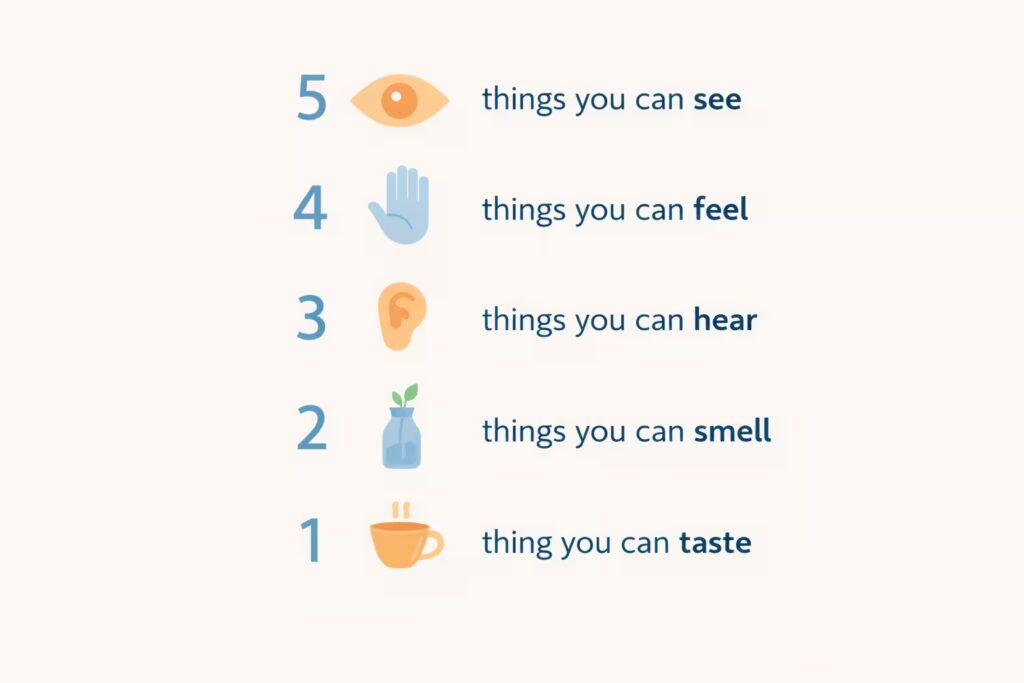
This technique is powerful because it gives your brain a concrete task and reduces the sense of threat. You’re teaching yourself: right now, in this moment, I’m safe enough to breathe.
Step 4: Micro-Movement (2–10 minutes)
Movement is one of the most reliable ways to burn off stress chemistry. It doesn’t have to be intense; it just has to be consistent. Harvard Health explains that regular aerobic exercise can help the body release fewer stress hormones in response to daily stressors and can stimulate endorphins that lift mood and calm the mind.
Pick one:
- Walk briskly for 5–10 minutes
- Do 20 squats + 20 wall push-ups
- Put on one song and shake out tension (yes, really)
- Stretch hips and shoulders for 3 minutes

If you can, step outside. Many mainstream stress guides include nature exposure as a practical stress reducer, and pairing it with movement makes it even more effective.
The Natural Stress-Reduction Framework That Actually Works
One of the most practical answers to how to reduce stress naturally is to build a quick “stress first-aid” routine you can repeat anywhere—breathing, grounding, and a few minutes of movement. If you only use quick tools, stress will keep coming back. If you only build long-term habits, you’ll still struggle in the moment. You need both, organized into a simple system:
- Immediate relief (2–10 minutes): breathing, PMR, grounding, micro-movement
- Daily stabilizers (10–40 minutes total): sleep routine, movement, food, sunlight, connection
- Weekly resilience builders (1–3 sessions): deeper exercise, longer nature time, planning, therapy/coaching if needed
This structure matches what major medical resources repeatedly recommend—daily coping skills, lifestyle support, and reducing triggers like screen overload and sleep debt.
Build a Nervous-System-Friendly Day (Habits That Prevent Stress Build-Up)
The best long-term approach to how to reduce stress naturally is consistency over intensity—tiny calming actions done every day work better than occasional big efforts. Your nervous system learns from repetition. If your days are chaotic, your body starts treating chaos as normal. The goal is not a perfect lifestyle—it’s a lifestyle that regularly tells your brain: we recover here.
Sleep: The Non-Negotiable Foundation
Sleep doesn’t just restore energy; it stabilizes mood and improves your ability to handle stress. The CDC recommends that adults get 7 or more hours per night and emphasizes consistent sleep/wake timing as a stress-management strategy.

A realistic sleep plan:
- Choose a fixed wake-up time (even weekends, within reason)
- Create a 30–60 minute wind-down (dim lights, calmer activities)
- Keep screens out of bed when possible
- If your brain won’t shut up, keep a notebook for a “tomorrow list”
If stress is wrecking your sleep, don’t chase complicated hacks. Protect your wake time, reduce late-night stimulation, and use breathing + PMR consistently for two weeks before judging results.
Nutrition: Don’t Let Blood Sugar and Caffeine Drive Your Mood

Stress makes people eat fast and forget basics. That backfires. Several evidence-based guides recommend balanced eating and limiting habits that worsen stress long-term, like high sugar patterns or overusing caffeine.
Simple rules that help:
- Eat protein + fiber at breakfast (even small)
- Add a whole-food snack mid-afternoon to prevent crashes
- Hydrate early; dehydration mimics anxiety symptoms
- If you’re highly stressed, reduce caffeine gradually (not suddenly)
Food won’t solve your life, but it can stop your body from feeling like it’s under threat all day.
Movement: Stress Relief That Compounds Over Time
Exercise is a natural antidepressant and stress buffer when done consistently. Harvard Health emphasizes that aerobic exercise supports the body’s stress system and boosts endorphins, while mind-body practices combine movement with relaxation training.
Try a “minimum effective dose” approach:
- 10 minutes daily (walk, bike, light strength)
- 2–3 longer sessions weekly (20–45 minutes)
- Add mindful movement once or twice a week (yoga, tai chi, qigong)
The key is sustainability. A routine you repeat beats an intense plan you quit.
Nature + Sunlight: A Free Nervous System Reset
Being outdoors isn’t a luxury; it’s nervous-system hygiene. Many mainstream health resources include spending time outdoors as a practical stress-management tool, especially when paired with movement or quiet reflection.
Make it measurable:
- 10 minutes outside in the morning (even a balcony)
- One longer session weekly (park walk, hike, “sit spot”)
- Leave headphones off sometimes and let your senses do the calming
If you live in a city, don’t overthink it. One tree-lined street is better than none.
Social Support: Stress Shrinks When You’re Not Alone
Isolation amplifies stress because your brain interprets “alone” as “unsafe.” The CDC explicitly recommends connecting with others and talking to people you trust as part of healthy stress coping.
Low-effort ways to build this in:
- Text one person: “Rough day—can I vent for 5 minutes?”
- Schedule one weekly connection (coffee, walk, call)
- Join a group with repeated contact (class, volunteer, club)
You don’t need a huge social life. You need consistent reminders that support exists.
Digital Stress: Cut the Inputs That Keep Your Brain in Alarm Mode

If you pump your brain full of urgent information all day, you’ll feel urgent all day. The CDC recommends taking breaks from news and social media because constant exposure to negative events can be upsetting.
Try these boundaries:
- Notification fast: turn off non-essential alerts
- News window: one check-in daily, not ten
- No-phone buffer: first 20 minutes after waking and last 30 minutes before bed
- Replace scrolling with a short “downshift ritual” (stretch, tea, shower, journaling)
This is one of the most common missing pieces in typical “reduce stress naturally” articles—fix it and you’ll beat them.
Mindset Skills That Lower Stress Without Pretending Life Is Perfect
Stress reduction isn’t only “calm down.” It’s also learning how to think and plan in ways that reduce unnecessary pressure.
Control vs. Influence: Stop Fighting What You Can’t Win
A lot of stress comes from trying to control outcomes you don’t actually control. Mayo Clinic-style stress guidance often emphasizes identifying triggers and focusing on strategies that change either the situation or your reaction, depending on what’s possible.
Use this two-column method:
- Control: what I can do today (one email, one call, one boundary)
- Influence: what I can’t force, but can nudge (relationships, timing, other people)
Then pick one action from “control.” Stress drops when your brain sees a path forward, even a small one.
Boundaries: The Skill That Protects Your Nervous System
Many clinical stress lists include learning to say “no,” setting realistic expectations, and time-management because overload is a trigger you can often reduce.
Try these scripts:
- “I can’t take that on this week, but I can next Tuesday.”
- “I need a smaller scope. What’s the top priority?”
- “I’m unavailable after 7 p.m. I’ll reply tomorrow.”
If setting boundaries makes you feel guilty, that’s normal. You’re rewiring a pattern, not committing a crime.
Reframe the Story (Without Lying to Yourself)
You don’t need fake positivity. You need accurate thinking. When you notice stress thoughts, swap them for something both true and calmer:
- “I can’t handle this” → “This is hard, but I can handle the next step.”
- “Everything is going wrong” → “Two things are going wrong. Three things are okay.”
- “I’m behind” → “I’m overloaded. I need to prioritize.”
This kind of self-talk is frequently recommended in clinical stress content because it reduces emotional intensity and helps you act instead of spiral.
Gratitude and Journaling (Not Cringe, Actually Useful)
Gratitude won’t pay your bills. But it can reduce stress by training your brain to notice safety and support, not only threat. The CDC includes practicing gratitude daily and journaling as coping strategies for managing stress.
Keep it simple:
- Write 3 specific things that were okay today
- One sentence each, no essays
- Include at least one body-based win: “I took a walk,” “I ate lunch,” “I breathed before reacting.”
This builds emotional stability over time, which helps you bounce back faster.
Natural Supports People Ask About (What’s Worth It vs. What’s Risky)
A lot of readers want “natural” to mean supplements. That’s not automatically wrong, but it’s where misinformation thrives. High-quality resources often mention supplements cautiously, and evidence summaries warn that even generally safe relaxation practices can occasionally trigger discomfort in some people. Your approach should be: start with skills and lifestyle first, then consider extras carefully.
Teas, Aromas, and “Small Soothers”
These are low-risk for most people and can support a calming routine:
- Caffeine-free herbal tea as a wind-down cue
- Warm shower or bath to relax muscles
- Light stretching + calmer music before bed
- A consistent evening scent (lavender-style aromas) paired with breathing
These work best as ritual anchors—signals to your nervous system that recovery is happening now.
Supplements (Read This Before You Buy Anything)
Some guides mention supplements for stress, but responsible content must include guardrails.
Safety rules:
- If you are pregnant, breastfeeding, have a medical condition, or take prescription medication, talk to a clinician before using stress supplements.
- Avoid stacking multiple calming supplements at once.
- If a product promises instant “cortisol cure,” assume marketing, not medicine.
If you do try supplements, treat them like experiments: one change, small dose, track sleep and mood for 2 weeks, stop if you feel worse.
A Beginner-Friendly 7-Day Plan (Start Small, Feel Results Faster)
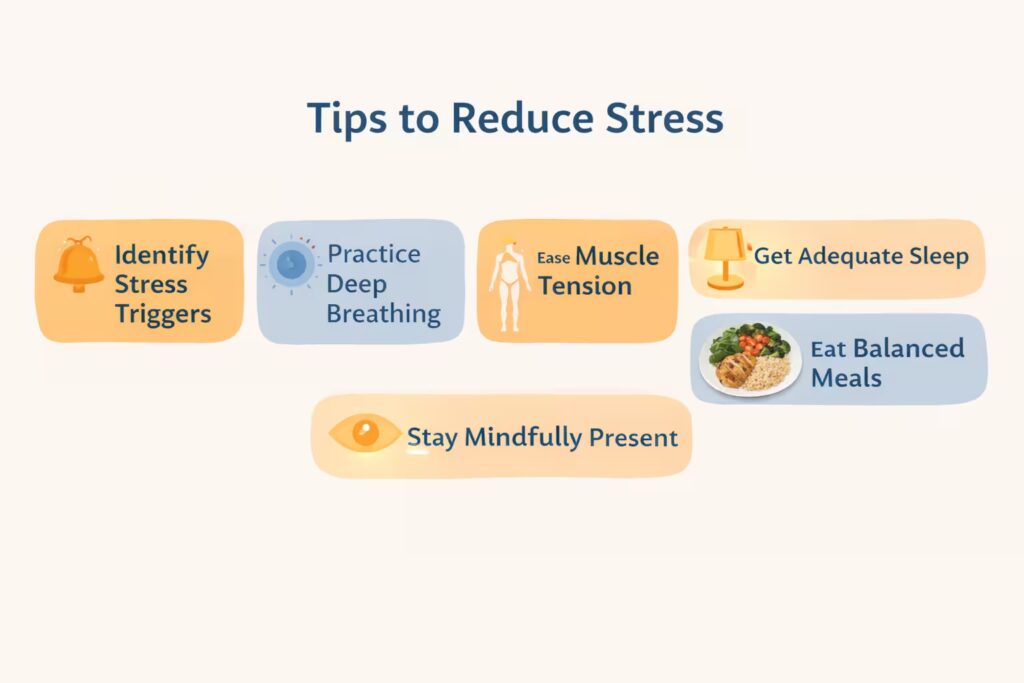
Most people fail because they try to change everything at once. This plan is built to be realistic. Your only job is consistency, not perfection.
Day 1: The Reset
Do the Stress First Aid protocol once today. Add a 10-minute walk. Write down your top 3 stress triggers (people, tasks, habits).
Day 2: Sleep Anchor
Pick a fixed wake-up time. Do 30 minutes of wind-down tonight: dim lights, stretch, 2 minutes slow breathing, write a tomorrow list.
Day 3: Digital Boundary
Turn off non-essential notifications. Take a news/social break for one block of the day. Replace it with a 5-minute outside pause or short walk.
Day 4: Food Stabilizer
Add protein + fiber to breakfast or lunch. Reduce late-day caffeine slightly. Hydrate earlier. Notice if your mood feels steadier by afternoon.
Day 5: Mind-Body Session
Try one session of yoga, tai chi, qigong, or a mindful walk. Focus on breathing + body sensation, not performance.
Day 6: Connection
Reach out to one person. Keep it simple: ask for a quick call or walk. Social support is a legit stress buffer, not a weakness.
Day 7: Build Your “Calm Menu”
Write your top 5 tools that worked (breathing, PMR, walking, journaling, bedtime routine). Schedule them into next week like appointments.
Customize Your Strategy by Stress Trigger
One-size-fits-all tips don’t match real life. Here’s how to adapt fast.
If Your Stress Is Mostly Work Overload
Your goal is to reduce cognitive clutter.
- Start the day with 3 priorities (not 12)
- Break tasks into 15-minute sprints
- Use a boundary script at least once this week
- End work with a 2-minute “closure ritual” (write the next step, shut laptop, breathe)
Time-management and boundary-setting are repeatedly recommended in clinical stress resources because overload is often the main fuel.
If Your Stress Is Mostly Anxiety at Night
Your goal is to stop “bed = thinking time.”
- Move worry to paper: a tomorrow list + “not solvable tonight” list
- Use slow breathing + PMR in bed (not phone scrolling)
- Keep wake time stable even after a rough night
- If you can’t sleep, do a calm activity in low light, then return to bed
The CDC emphasizes consistent sleep routines and adequate sleep duration as part of stress management.
If Your Stress Is Mostly Social or Emotional Pressure
Your goal is to reduce threat signals.
- Before events: 2 minutes slow breathing + grounding
- During: focus externally (sounds, colors, conversation details)
- After: short walk or shower to reset, then one kind self-statement
This is how you train your body not to interpret every interaction like danger.
If Your Stress Is Mostly Financial Worry
Your goal is to convert worry into a plan.
- Create a 15-minute money session twice a week
- List what you can control this week (one call, one payment plan, one budget category)
- Do the stress protocol first, then handle the numbers
Avoiding the problem keeps stress chronic. Short, planned sessions keep it contained.
If Your Stress Is Mostly Caregiver Burnout
Your goal is micro-recovery.
- Build two 5-minute breaks daily (breathing + outside air)
- Ask for one specific help request (not “help more,” but “can you do pickup Tuesday?”)
- Choose one weekly replenishing activity and protect it
Caregiver stress is real stress. You’re not supposed to be endlessly strong.
When Natural Strategies Aren’t Enough (Be Honest About This)
Sometimes stress is a signal that something bigger needs attention—burnout, depression, trauma, an anxiety disorder, or a life situation that requires support. The CDC encourages finding resources if you’re struggling to cope, and NCCIH explicitly notes that persistent symptoms or inability to cope are reasons to talk to a professional.
Get help sooner (not later) if you notice:
- You can’t function at work or home
- Panic symptoms keep happening
- You’re using alcohol, nicotine, or substances to cope
- Sleep is consistently broken for weeks
- You feel hopeless, numb, or disconnected
If you are in immediate distress or thinking about harming yourself, the 988 lifeline is available in the United States.
Conclusion
Learning how to reduce stress naturally isn’t about becoming calm 24/7. It’s about building a system that helps you recover faster, think clearer, and stop living like everything is an emergency. Start with the 2–10 minute first-aid protocol to calm your body on demand. Then lock in the daily stabilizers—sleep timing, movement, food, sunlight, connection, and digital boundaries. Finally, personalize your plan based on the stressor that’s actually driving your symptoms. Consistency beats intensity every time, and small daily wins create the kind of resilience that no “quick fix” can replace.