

Fear of Losing Someone You Love, its Warning Signs, and Proven Ways to Cope
You check your phone again. Still no reply. Your stomach tightens. Your mind immediately races through the worst possibilities. The person you love is probably fine, just busy, but your body refuses to believe it. The fear of losing someone you love is one of the most quietly painful experiences a person can carry. And millions of Americans carry it every single day.
That fear does not stay in one corner of your life. It follows you into the kitchen at 3 a.m. It turns every long silence into a warning sign. It makes every goodbye feel final. However, this fear has roots, and where there are roots, there are real answers. In this guide, you will learn exactly why the fear of losing someone develops, how to recognize when it has gone too far, and the proven strategies that bring lasting relief.
What Is the Fear of Losing Someone?
To begin with, this fear is much more than ordinary worry. It is a deep emotional response tied to love, attachment, and the fundamental human need for connection. People who experience it describe a persistent, almost irrational dread that someone they care about will die, leave, or stop loving them, even when there is no immediate threat.
In fact, over 40 million adults in the United States live with an anxiety disorder, and relationship anxiety — which includes the fear of losing loved ones — is among the most common forms. According to a 2024 National Center for Health Statistics report, roughly one in five American adults experienced anxiety symptoms within the past two weeks. For many of them, that anxiety traces directly back to close relationships and the people they cannot imagine losing.
So, is this fear unusual? Not at all. However, when it becomes constant, intense, or controlling, it crosses into territory that deserves real attention.
Is This Fear Normal?
Feeling some concern about losing the people you love is completely human. After all, attachment is one of our most basic biological needs. Psychologist John Bowlby’s attachment theory established that humans are hardwired from birth to seek close bonds and to protest when those bonds are threatened. When the people we love feel at risk, the brain sounds an alarm.
That being said, there is a clear line between healthy concern and paralyzing fear. Healthy concern motivates you to nurture relationships and stay present. On the other hand, paralyzing fear drives controlling behavior, chronic anxiety, and emotional exhaustion that damages both you and the people you love most.
When Does This Fear Become a Problem?
The fear of losing someone crosses into a problem when it starts disrupting your daily life. For example, you might avoid activities because something could go wrong. Or perhaps you check in on a loved one not out of affection, but out of anxiety. Furthermore, you might unconsciously push people away to protect yourself from future hurt, only to make the thing you fear more likely.
“Many of the people I work with describe this fear as feeling like they’re always waiting for something terrible to happen, even when everything in their life is genuinely good,” says one mental wellness practitioner with years of experience supporting clients with anxiety. “The exhaustion of living on high alert is often what finally brings them to seek help.”
The Psychology Behind the Fear of Losing Someone

Understanding this fear requires looking at its psychological foundations. Several key factors work together to create and sustain it.
Attachment Style and Fear of Loss
Your attachment style — formed in early childhood — shapes how you relate to everyone around you as an adult. Specifically, people with anxious attachment styles are most vulnerable to the fear of losing someone they love. This pattern forms when a caregiver is inconsistent: warm and available sometimes, absent or cold at other times.
As a result, the child learns that love is unpredictable. They carry that belief into adult relationships. They love deeply, but they constantly brace for loss. Notably, research shows that Cognitive Behavioral Therapy (CBT) can significantly reduce attachment anxiety in as little as 10 weeks, providing real, measurable hope for people caught in this cycle.
Past Trauma and Childhood Loss
Beyond attachment style, past trauma is one of the most powerful drivers of this fear. Experiencing a significant loss in childhood, whether through a parent’s death, a divorce, or abandonment, can leave a lasting imprint on how the brain processes love.
Even when that trauma happened decades ago, its effects resurface in adult relationships. The brain links love with the possibility of loss. Therefore, every close relationship triggers a low-level fear response. This is not a character flaw. It is the nervous system doing exactly what it was designed to do, protecting you from pain it once experienced firsthand.
Anxiety Disorders and Fear of Loss
Additionally, certain mental health conditions can intensify the fear of losing someone. Generalized Anxiety Disorder (GAD) causes people to worry excessively about many areas of life, including their relationships. Separation anxiety disorder—which affects both children and adults—involves intense fear around being apart from attachment figures, even temporarily.
In some cases, the fear connects to OCD, where intrusive, unwanted thoughts about a loved one being harmed become nearly impossible to interrupt without professional support.
Types of Loss People Fear Most
Not everyone fears the same kind of loss. Here is a breakdown of the most common fears and how they typically show up:
|
Type of Loss Feared |
Common Emotional Signs |
Common Triggers |
|---|---|---|
|
Death of a partner or parent |
Panic attacks, constant dread |
Illness, aging, accidents |
|
Romantic rejection or breakup |
Jealousy, clinginess, over-monitoring |
Conflict, silence, distance |
|
Drifting apart from close friends |
Sadness, over-apologizing |
Life changes, relocation |
|
Loss of a family bond |
Guilt, people-pleasing |
Family stress, estrangement |
|
Losing a social circle |
Isolation anxiety, FOMO |
Job change, moving cities |
Once you identify which type of loss you fear most, you can begin addressing its specific root cause rather than fighting a vague, nameless dread.
Warning Signs You Have an Intense Fear of Losing Someone
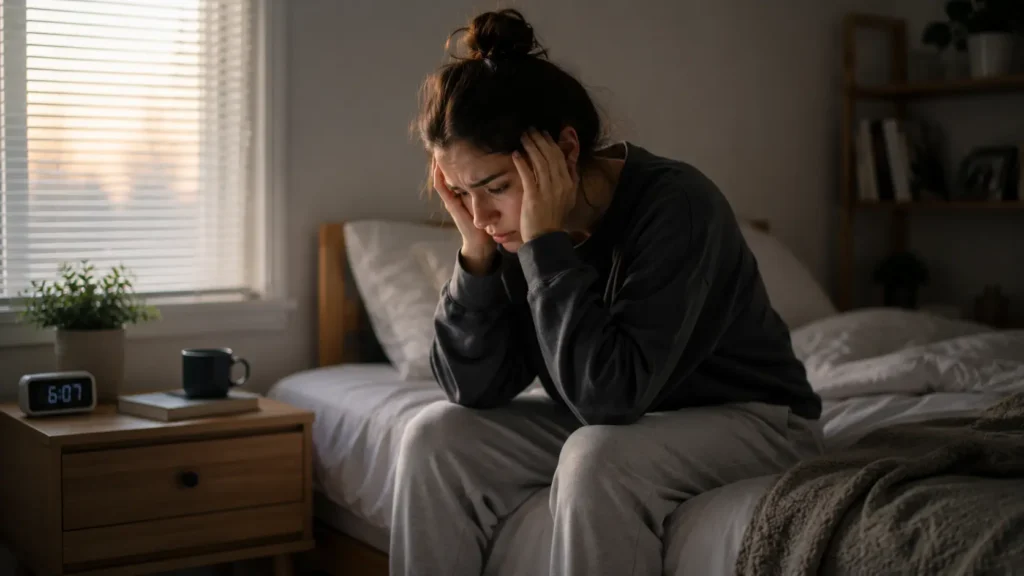
Many people do not realize they are living with this fear. They just know that relationships feel heavy and love feels like something they have to constantly protect. Here are the warning signs to watch for.
Emotional Signs
- Persistent worry that a loved one will leave, die, or stop caring
- A nagging sense of dread even when things are going well—as if you are waiting for it all to fall apart
- Intense jealousy or insecurity without a clear cause
- Difficulty fully enjoying a relationship because the fear of losing it overshadows the joy
Physical Symptoms
Equally important to recognize are the physical signs. Fear activates the body’s stress response, and that response has physical consequences:
- Racing heart or unexplained tightness in the chest
- Difficulty falling asleep or waking in the night with anxious thoughts
- Nausea or stomach upset when imagining loss
- Chronic fatigue from living in a low-level state of alertness
Behavioral Patterns
On a behavioral level, the fear of losing someone often shows up as:
- Excessive texting or calling to confirm a loved one is safe
- Needing constant reassurance that the relationship is okay
- Agreeing to things you don’t want to do in order to avoid conflict
- Emotional withdrawal as a preemptive self-protection strategy
- Difficulty making decisions without first considering whether they might risk a relationship
What Is Athazagoraphobia?
You may have come across the term “athazagoraphobia” and wondered what it means. Essentially, athazagoraphobia is the intense, often irrational fear of being forgotten, ignored, or replaced—or sometimes, the fear of forgetting someone important. It sits at the intersection of social anxiety, attachment fear, and in some cases, existential concern about memory loss.
People with athazagoraphobia worry persistently about their significance in others’ lives. They fear that once they are out of sight, they become out of mind. In many cases, this fear connects to early experiences of being overlooked, neglected, or abandoned. It is worth noting that athazagoraphobia is not formally listed as a separate diagnosis in the DSM-5. Nevertheless, mental health professionals recognize and treat it as a specific anxiety response that responds well to therapy.
Is Losing People a Phobia?
Technically speaking, the fear of losing someone is not one single named phobia. However, it can take the form of several recognized clinical conditions. Thanatophobia is an intense fear of death or the dying process, which frequently triggers anxiety around losing loved ones. Separation Anxiety Disorder involves fear of being apart from or losing an attachment figure. Athazagoraphobia, meanwhile, centers on the fear of being forgotten.
In most cases, what people mean when they describe the fear of losing someone is best understood as relationship anxiety or fear of abandonment—not a single, stand-alone phobia.
What Is the Official Name for Fear of Losing Someone?
Depending on the context, different clinical terms may apply. If the fear centers on death, the closest term is thanatophobia. If it involves the fear of being forgotten or replaced, athazagoraphobia applies. If it is broadly about separation from loved ones, clinicians may identify it as separation anxiety. Each label points to a real, treatable condition.
How This Fear Damages Relationships
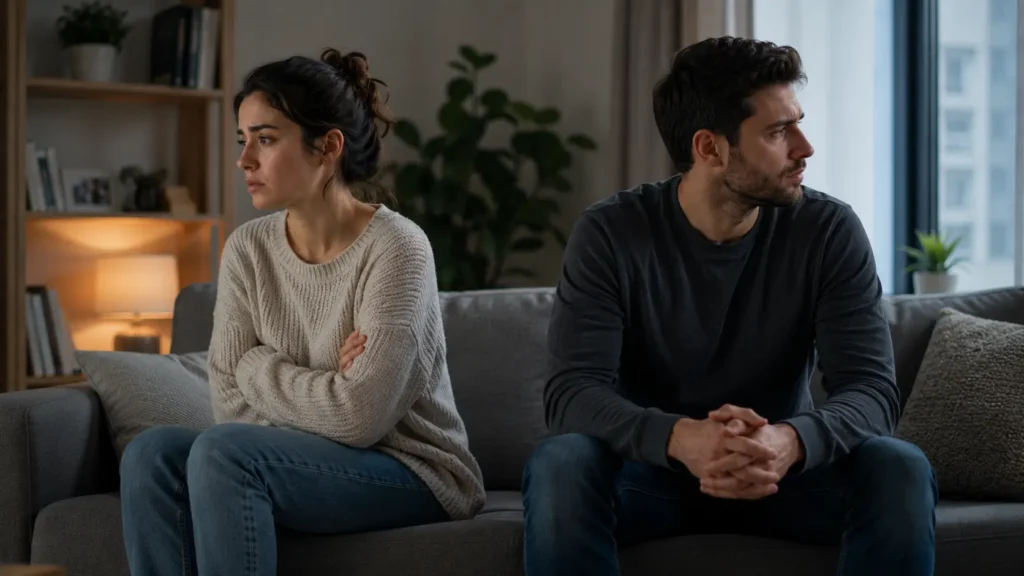
Perhaps the most painful irony of the fear of losing someone is that it often drives away the very people you are desperately afraid of losing. Let’s look at how this happens.
Controlling Behaviors
Fear turns into control when people try to manage their anxiety by managing others. For instance, constantly tracking a partner’s location, interrogating friends about their plans, or demanding hourly reassurance. While understandable as a fear response, these behaviors erode trust and push loved ones away—making the fear more, not less, likely to come true.
Emotional Dependency
Similarly, this fear often leads to emotional dependency — relying on another person to regulate your emotions rather than developing your own inner stability. Over time, this places unsustainable pressure on a relationship. The person you lean on may begin to feel suffocated, and the relationship suffers for it.
The Self-Fulfilling Cycle
Most importantly, this fear can become a self-fulfilling prophecy. The anxiety drives controlling or clinging behaviors. Then, those behaviors push people away. The relationship becomes strained, which confirms the original fear. Breaking this cycle requires honest self-awareness and consistent, intentional effort.
“I spent years pushing away the people I loved most because I was so terrified of losing them,” one person shared in a wellness group session. “It wasn’t until I understood where the fear came from that I could stop sabotaging the love that was right in front of me.”
Proven Ways to Cope With the Fear of Losing Someone
The good news is that this fear responds well to the right strategies. With consistent effort and the right support, lasting relief is genuinely within reach.
|
Coping Strategy |
How It Helps |
Best For |
|---|---|---|
|
Mindfulness and grounding |
Interrupts “what if” spirals |
Anxiety in the present moment |
|
CBT thought challenging |
Rewires distorted thinking patterns |
Long-term fear and rumination |
|
Therapy (CBT, EFT, Psychodynamic) |
Addresses root causes directly |
Deep-rooted or trauma-based fears |
|
Building emotional independence |
Reduces unhealthy reliance on others |
Relationship and abandonment anxiety |
|
Open, honest communication |
Builds genuine security with loved ones |
Fear driven by assumption |
Step 1 — Acknowledge the Fear Without Shame
The first step is powerful in its simplicity: acknowledge that the fear exists. Many people try to logic their way out of it or berate themselves for feeling it. Instead, name it directly. “I am afraid of losing this person.” That simple acknowledgment reduces the fear’s grip. You cannot heal what you refuse to see.
Step 2 — Practice Mindfulness and Grounding
Next, mindfulness is one of the most accessible and effective tools for managing fear in the moment. Grounding exercises pull your attention back to the present — away from catastrophic future scenarios your mind has fabricated. For example, try the 5-4-3-2-1 grounding technique: name five things you can see, four you can feel, three you can hear, two you can smell, and one you can taste. This simple exercise interrupts the anxiety cycle at its peak.
Step 3 — Challenge Distorted Thoughts Using CBT
Cognitive Behavioral Therapy (CBT) is one of the most evidence-backed approaches for anxiety and relationship fears. It works by helping you identify and restructure distorted thoughts. For example, when your mind tells you “They haven’t texted back—they must be done with me,” CBT teaches you to pause and ask: Is there actual evidence for this thought?” What are more realistic explanations? Over time, this rewires automatic fear responses into balanced, rational ones.
Step 4 — Build Emotional Independence
Beyond therapy, building a strong, independent sense of self is one of the most protective things you can do. This means developing your own friendships, interests, goals, and sources of meaning outside of your closest relationships. When your inner peace does not depend entirely on one person, the fear of losing them naturally loses much of its power.
Step 5 — Communicate Openly With the People You Love
Finally, honest conversation with the people you fear losing is itself a powerful coping tool. Many people discover that their fear was built on assumptions rather than reality. Open communication builds genuine emotional security — which is far more durable than the false security that anxiety tries to manufacture through control.
When to Seek Professional Help
If the fear of losing someone is disrupting your sleep, your relationships, your work, or your daily sense of peace, it is time to speak with a qualified mental health professional. This is especially true if the fear connects to childhood trauma, significant past loss, or a diagnosed anxiety condition.
Therapy Approaches That Work
- Cognitive Behavioral Therapy (CBT): Directly targets the thought patterns that fuel fear. Studies show meaningful reduction in attachment anxiety within 10 weeks of CBT treatment.
- Emotionally Focused Therapy (EFT): Works with relational patterns and attachment wounds at their core. Especially effective for couples navigating fear-driven dynamics.
- Psychodynamic Therapy: Explores how early life experiences shaped your current fears and relationship patterns.
- Mindfulness-Based Cognitive Therapy (MBCT): Combines mindfulness with CBT strategies to prevent anxiety from escalating.
According to the American Psychological Association, therapy is the most effective long-term treatment for anxiety-based fears. Moreover, many people notice significant improvement within just three to four months of consistent sessions.
Accepting Uncertainty
Ultimately, the most profound healing from the fear of losing someone comes from learning to accept uncertainty — not to defeat it. Because the truth is, no one can guarantee that every relationship will last forever or that every person we love will remain with us. Yet that uncertainty is also what gives love its meaning.
The goal is not to eliminate fear entirely. Rather, the goal is to build enough emotional strength that the fear no longer dictates your choices. When you invest in your own inner wellness—through therapy, mindfulness, honest relationships, and self-compassion—love begins to feel like a gift again instead of a countdown.
At Ziwo Wellness Health, we believe that mental wellness is the foundation of a full and peaceful life. If you are ready to stop letting fear write your love story, compassionate, evidence-based support is closer than you think.
Frequently Asked Questions
What fear is athazagoraphobia?
Athazagoraphobia is the intense, often irrational fear of being forgotten, ignored, or replaced by others—or, alternatively, the fear of forgetting someone important. It combines elements of social anxiety and attachment fear. People with athazagoraphobia feel persistent worry about losing their significance in others’ lives, and it often connects to early experiences of abandonment or neglect.
Is losing people a phobia?
The fear of losing people can resemble or overlap with several recognized phobias and anxiety disorders. Thanatophobia is the intense fear of death or dying, which often includes fear of losing loved ones. Separation Anxiety Disorder involves extreme distress around being apart from or losing an attachment figure. The fear of losing people is real and treatable, even when it does not fit a single diagnostic label.
What is the fear of losing called?
Several clinical terms describe different aspects of this fear. The fear of losing someone to death is most closely associated with thanatophobia. The fear of being forgotten or of losing significance to someone is called athazagoraphobia. More broadly, the persistent fear of losing relationships or loved ones is often diagnosed as separation anxiety or fear of abandonment, depending on how it presents.
Why am I so afraid of losing someone?
There are several well-established reasons. An anxious attachment style — often formed when early caregivers were inconsistent — creates a deep-seated belief that love is fragile. Past trauma, such as losing a parent, experiencing a painful breakup, or being abandoned in childhood, teaches the brain to anticipate loss in every close relationship. Underlying anxiety disorders, including GAD and OCD, can also amplify this fear significantly.
Is it normal to fear losing the person you love?
Yes, it is entirely normal to feel some degree of fear around losing someone you love deeply. This fear is a natural extension of meaningful attachment and genuine care. However, when the fear becomes relentless, physically disruptive, or starts controlling your behavior and damaging your relationships, it has moved beyond normal concern into anxiety territory that deserves compassionate, professional support.
Final Thoughts
The fear of losing someone is not a sign of weakness. It is a sign that you love deeply—and that your emotional well-being deserves exactly that same depth of care. By understanding where this fear comes from, recognizing how it shows up, and applying the right evidence-based strategies, you can transform your relationship with both love and uncertainty.
Every relationship carries some risk. Above all, every person who loves you deserves to be loved back from a place of strength rather than fear. If you are ready to begin that journey — to stop bracing for loss and start experiencing love fully — Ziwo Wellness Health is here to help you take that first, courageous step. Because healing is not just possible. It is closer than you think.