How to Get Rid of Stress Hives – Symptoms to Solutions
Stress hives, also known as stress-induced urticaria, are red, itchy, raised bumps that appear on the skin when the body reacts to emotional or physical stress. While stress induced hives are typically temporary, they can be both uncomfortable and concerning. If you are struggling with stress hives and want to know how to get rid of them, this guide will provide you with a comprehensive understanding of stress hives, including their symptoms, causes, treatments, and prevention strategies.
Learn practical tips on how to get rid of stress hives naturally and keep your skin calm and healthy.
Summary
- Stress hives are red, itchy bumps triggered by the body’s release of histamine and cortisol during stress.
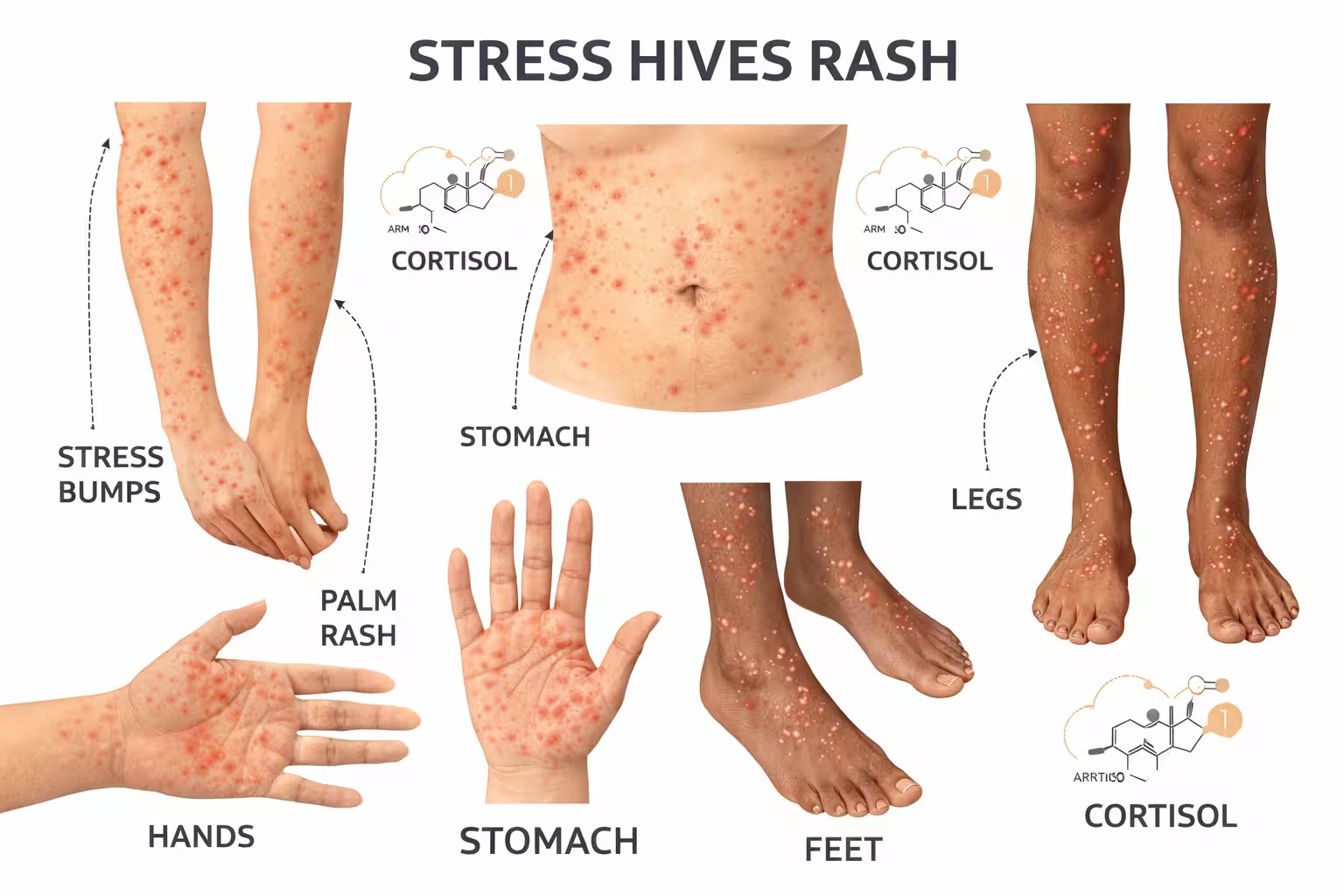
- These hives can appear anywhere on the body, including the face, hands, arms, and stomach.
- Stress hives are often temporary, resolving within hours to days, but chronic stress can lead to recurring flare-ups.
- Treatment for stress hives includes antihistamines, cold compresses, and stress reduction techniques.
- Preventing stress hives involves managing stress levels, improving lifestyle habits, and paying attention to your diet.
What Are Stress Hives?
Stress hives are a type of rash that forms when the body’s immune system releases histamine in response to emotional or physical stress. Unlike typical allergic reactions, stress hives are not caused by an external allergen but by an internal reaction to stress. Stress hives can appear anywhere on the body but are commonly found on the face, hands, arms, neck, and chest.
These hives typically present as raised, red, or pink bumps that can be extremely itchy. They may vary in size and can sometimes merge to form larger patches. While they are generally not dangerous, stress hives can be frustrating, especially when they interfere with daily life.
What Causes Stress Hives?
Stress hives are caused by the body’s reaction to stress. When we experience stress, whether it is physical or emotional, our body releases hormones like cortisol and histamine. These hormones cause inflammation and trigger the skin to break out in hives.
Stress-induced urticaria (stress hives) is a result of the body’s natural response to fight off perceived threats. The brain signals the release of these chemicals, causing blood vessels to dilate and leak fluid, which forms the characteristic red, itchy welts on the skin. The triggers for stress can range from work pressures, emotional distress, anxiety, or even physical stressors like illness or lack of sleep.
Many people wonder, can you get hives from stress? Yes — emotional tension can trigger skin reactions that lead to red, itchy welts. Understanding the link between anxiety and skin flare-ups can help you manage stress hives more effectively.
Common Symptoms of Stress Hives
Stress can trigger a variety of skin issues, and many people notice stress hives on the face or stress red spots on the face when anxiety levels rise. These flare-ups, sometimes called a cortisol rash or stress bumps on the face, appear as itchy welts or patches. In some cases, a stress rash on the face or an allergy stress face rash may form, especially around sensitive areas like the eyes and lips—commonly known as stress hives around the eyes or stress hives on lips. If you’ve ever asked, can you get hives from stress? the answer is yes, and they can also appear on hands, arms, legs, feet, stomach, and other parts of the body.
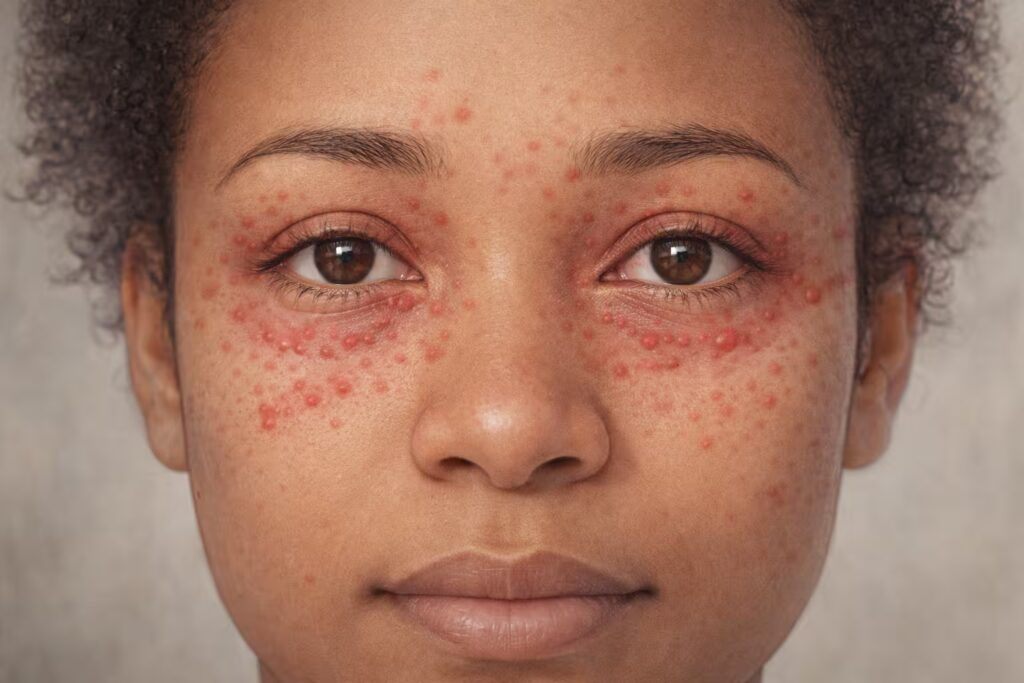
People with black skin may notice that stress hives rash looks slightly darker or differently toned. So, what do stress hives look like? They can range from small red bumps to raised, itchy blotches. No matter where they occur—whether on the skin, palms (stress palm rash), or face—prompt treatment helps reduce discomfort and prevent further irritation.
Stress hives can vary in appearance depending on the severity of the reaction and the area affected. However, the common symptoms include:
- Raised, red welts that may be pink or skin-colored.
- Itchiness that can range from mild to severe, often worsening with heat or physical activity.
- Swelling around the hives, particularly if the reaction is severe.
- Appearance on various body parts, including the face, neck, arms, chest, stomach, and hands.
- Quick onset and resolution, with many cases disappearing within hours or a few days.
For individuals with darker skin tones, hives might appear as subtle darkened patches or skin-colored bumps instead of the typical red welts.
Stress Hives on Different Body Parts
In the early stage, anxiety stress hives may appear as small, itchy red patches that signal your body’s reaction to rising stress levels. Some common areas where stress hives appear include:
- Stress Hives on the Face: Stress hives on the face can be particularly distressing, as they are visible and can affect self-esteem. These hives often appear around the cheeks, forehead, and chin.
- Stress Hives on Hands: Stress hives on the hands can cause discomfort, especially when handling objects or touching surfaces. The skin may become raised and inflamed, which can interfere with daily activities.
- Stress Hives Around Eyes: Hives around the eyes can be particularly irritating because the skin is sensitive. In some cases, swelling may also affect the eyelids.
- Stress Hives on Neck: The neck area is another common site for stress hives. The stress-induced response in this area can lead to welts and swelling that may be uncomfortable or visible.
- Stress Hives on the Stomach, Arms, and Legs: Stress hives on the stomach, arms, or legs can cause discomfort and itching. These areas can be more prone to inflammation due to sweat, heat, and clothing friction.
How Long Do Stress Hives Last?
Stress hives can last anywhere from a few hours to several days. The duration largely depends on the severity of the stress and how well the body can manage the response. Most people experience temporary relief once the stressor is removed or managed. However, chronic stress can cause recurring flare-ups, leading to longer-lasting hives that may need medical intervention.
In cases where the hives last longer than a few weeks or are accompanied by swelling in the throat or difficulty breathing, it’s important to seek medical attention immediately. This could be a sign of a more severe allergic reaction like anaphylaxis.
How to Get Rid of Stress Hives: Treatment Options
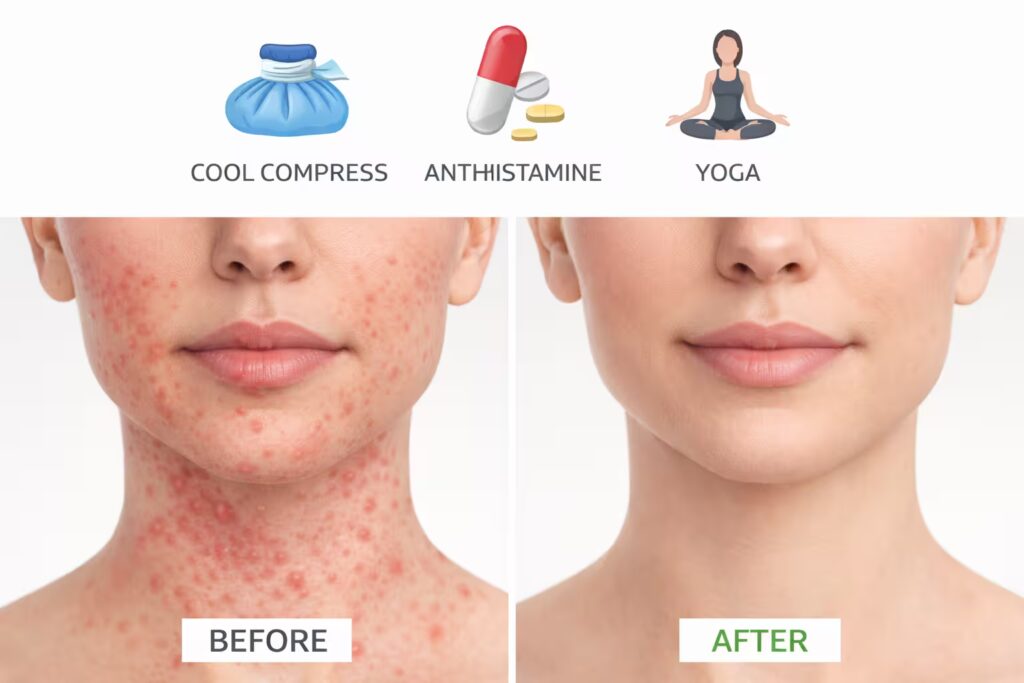
If you’re experiencing stress hives, there are several ways to manage the condition and reduce the symptoms. Below are some effective treatments to help get rid of stress hives:
1. Antihistamines
Antihistamines are commonly used to treat stress hives because they block the release of histamine, which causes inflammation and itching. Over-the-counter antihistamines like cetirizine, loratadine, and fexofenadine can provide quick relief. These medications work by suppressing the immune response, helping to calm the itching and reduce the size of the hives.
2. Cold Compresses
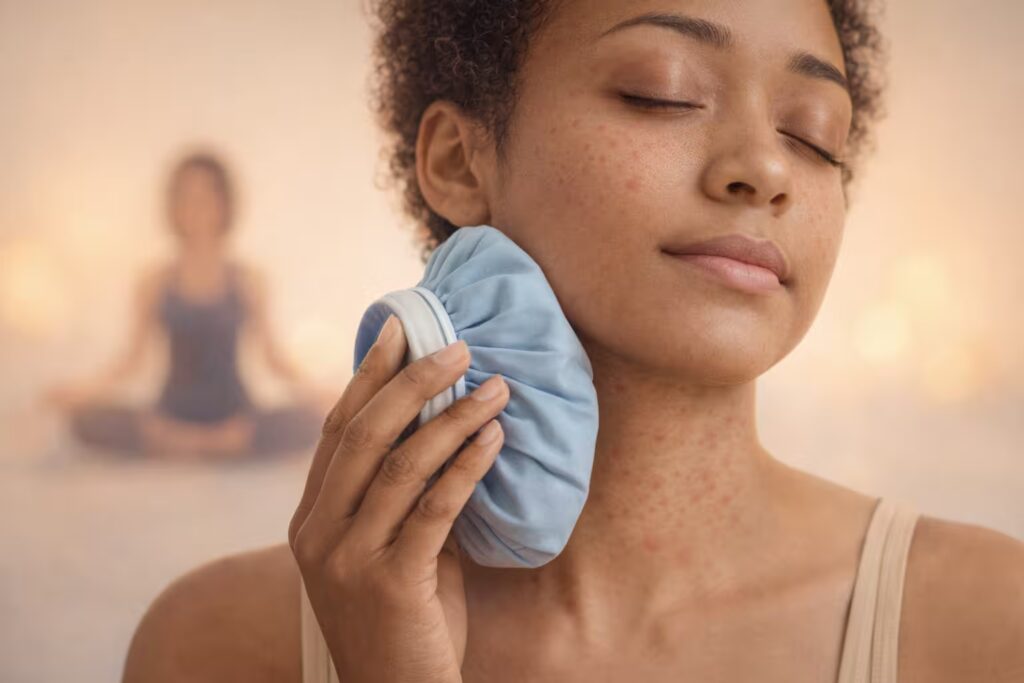
Cold compresses can help reduce inflammation and numb the affected areas, providing relief from itching. Simply wrap a clean cloth around some ice or cold water and apply it to the hives for 10–15 minutes at a time. The cool temperature will soothe the skin and help decrease swelling.
3. Stress Reduction Techniques
Since stress is the primary trigger for stress hives, managing stress is essential for preventing flare-ups. Some effective stress reduction techniques include:
- Deep breathing exercises: Deep breathing can calm the nervous system and reduce anxiety.
- Meditation: Practicing mindfulness meditation helps lower stress levels and promotes relaxation.
- Exercise: Regular physical activity can reduce the effects of stress by releasing endorphins, the body’s natural mood boosters.
- Adequate Sleep: Getting enough rest is crucial for managing stress and maintaining a healthy immune system.
4. Topical Treatments
Applying soothing creams or lotions can provide relief for stress hives. Aloe vera gel, calamine lotion, and hydrocortisone creams are commonly used to calm irritated skin and reduce inflammation. These topical treatments help alleviate itching and can provide temporary comfort until the hives subside.
5. Avoid Triggers
Stress hives can be triggered by various factors, including specific environmental conditions and irritants. Avoiding triggers like hot showers, tight clothing, or exposure to allergens can help prevent flare-ups. Managing your environment to reduce stressors will make a big difference in controlling the frequency and severity of hives.
How to Prevent Stress Hives
Prevention is always better than cure. To prevent stress hives from recurring, consider the following strategies:
1. Stress Management
Chronic stress is the root cause of stress hives, so managing stress effectively is key to preventing flare-ups. Incorporate stress-relieving activities into your daily routine, such as yoga, deep breathing, journaling, or taking regular breaks from work.
2. Healthy Lifestyle Habits
Adopting healthy lifestyle habits can improve your overall well-being and reduce the impact of stress on your skin. Make sure to:
- Eat a balanced diet rich in vitamins and minerals
- Drink plenty of water to stay hydrated
- Exercise regularly to keep your body strong and stress-free
- Practice good sleep hygiene to ensure restful nights
3. Avoid Overheating
Overheating your body can exacerbate stress hives, so be mindful of your body temperature. Avoid hot showers or wearing tight clothing that traps heat, as these can increase skin irritation and trigger hives. If you’re prone to flare-ups, try to stay cool and wear loose, breathable clothing.
Articles you also want to read:
Understanding Stress Rash and its Symptoms, Causes, and Treatment
Stress rash, often confused with other types of rashes, is a common skin condition that appears when the body releases histamine in response to stress. The body’s natural fight-or-flight reaction causes blood vessels to dilate, which leads to the formation of red, raised welts on the skin. Stress rash can occur anywhere on the body and often comes with significant itching, irritation, and discomfort.
Wondering how to get rid of stress hives? First, understand their symptoms and causes to manage flare-ups effectively.
Symptoms of Stress Rash
The symptoms of stress rash can include:
- Raised, red welts on the skin
- Severe itching, which may worsen with heat or anxiety
- A rapid onset, with hives appearing suddenly after a stressful event
- Welts that can change in shape and size, often appearing in clusters
These rashes are typically short-lived, resolving once the stressor is removed or addressed. However, in some cases, stress rash can become a recurrent issue, requiring ongoing management. Knowing what triggers stress hives helps you treat them faster and prevent future breakouts.
Causes of Stress Rash
The primary cause of stress rash is the body’s release of histamine in response to stress. When you’re stressed, your adrenal glands release the hormone cortisol, which in turn signals the body to produce histamine. Histamine causes blood vessels to leak fluid into surrounding tissues, creating the raised welts associated with rashes. While stress is the trigger, other factors, such as pre-existing skin conditions, can exacerbate the rash.
Treatment for Stress Rash
Treating stress rash involves a combination of remedies to reduce symptoms and manage the underlying stress. Common treatments include:
- Antihistamines to relieve itching and reduce inflammation
- Cold compresses to soothe the skin
- Stress management techniques such as meditation, deep breathing, and exercise
- Topical creams like aloe vera or hydrocortisone to calm irritated skin
By addressing both the physical rash and the root cause—stress—you can significantly reduce the frequency and intensity of stress rashes.
What is Stress Hand Rash?
Stress hand rash refers to rashes that develop specifically on the hands in response to stress. The skin on the hands is particularly sensitive, and stress can trigger an inflammatory response, leading to red, itchy bumps or welts that may be uncomfortable and bothersome. This condition can affect the palms, fingers, or back of the hands, often making it difficult to perform everyday tasks.
Symptoms of Stress Hand Rash
A stress hand rash may present as:
- Red or pink, raised patches on the palms or fingers
- Intense itching, particularly in response to hand movement or pressure
- Dry, irritated skin that may crack or peel over time
- Swelling and discomfort, especially if the rash persists
Stress hand rash can also cause feelings of embarrassment, as it is often visible during social interactions or in public settings. The rash can appear suddenly, especially during times of increased stress or anxiety.
Causes of Stress Hand Rash
Like other stress-induced skin conditions, a stress hand rash is caused by the body’s stress response. When you experience stress, your body releases cortisol and histamine, which can cause inflammation and breakouts of rash. The skin on your hands is also exposed to external irritants like chemicals, hand washing, or frequent contact with various surfaces, making it more susceptible to stress-induced flare-ups.
Treatment for Stress Hand Rash
To treat a stress hand rash, the following steps can be helpful:
- Use of antihistamines to control the itching and swelling
- Applying cold compresses to the affected area to reduce redness and irritation
- Moisturizing regularly with gentle, fragrance-free lotions or ointments to prevent dryness and cracking
- Stress management techniques, such as breathing exercises or yoga, can help reduce the overall stress level and prevent the rash from recurring
If your stress hand rash persists or worsens, it may be worth seeking medical advice to ensure that there are no underlying skin conditions exacerbating the flare-up.
How to Identify and Treat Stress Rash on Your Skin
Identifying a stress rash is crucial to understanding whether stress is the root cause of your skin issues. A stress rash usually manifests as raised red bumps or welts on the skin and is often accompanied by itching, discomfort, and occasional swelling. Stress rashes can appear anywhere on the body, but the most common areas include the face, neck, hands, arms, and back.
How to Identify Stress Rash
To identify a stress rash, keep an eye out for the following characteristics:
- The rash appears suddenly, often after a stressful event or emotional turmoil.
- Red, raised welts or bumps form on the skin, sometimes with a patchy appearance.
- The skin may feel itchy and irritated, which can increase with anxiety or sweating.
- The rash often disappears within hours to days once the stressor is resolved.
A key feature of a stress rash is that it often resolves on its own without medical intervention. However, if the rash persists or becomes more severe, it’s important to consult with a healthcare provider.
Treating Stress Rash
To treat a stress rash, it’s essential to both address the physical symptoms and manage stress levels. Consider the following treatment options:
- Over-the-counter antihistamines to reduce itching and inflammation
- Cold compresses to help reduce swelling and soothe the skin
- Moisturizing the affected areas to prevent dryness and irritation
- Stress-reduction techniques such as relaxation exercises, meditation, or physical activity to help lower cortisol levels
Stress rashes may not require prescription medication unless they are particularly severe or persistent. However, managing the underlying stress is key to preventing future flare-ups.
Preventing and Managing Hand Rash Caused by Stress
Preventing a stress hand rash requires a combination of effective stress management and skincare routines. Since the hands are constantly in contact with the environment and are more vulnerable to irritation, taking proactive steps can help reduce the frequency and severity of flare-ups.
Preventing Stress Hand Rash
To prevent stress hand rash, follow these tips:
- Minimize contact with skin irritants: Wear gloves when handling cleaning chemicals, detergents, or other irritants that can worsen skin rashes.
- Avoid excessive hand washing: Frequent washing can strip the skin of its natural oils, making it more prone to irritation.
- Use gentle, fragrance-free products: Opt for hand creams and soaps that are designed for sensitive skin and free of fragrances or harsh chemicals.
- Take breaks from repetitive tasks: If your hands are overworked or exposed to repetitive motions, take short breaks to reduce stress on your skin.
Managing Stress Hand Rash
When you do develop a stress hand rash, here are some tips to manage it effectively:
- Apply cold compresses to calm the skin and reduce swelling.
- Use a high-quality moisturizer regularly to keep the skin hydrated and prevent cracking.
- Take antihistamines as needed to relieve itching and inflammation.
- Practice relaxation techniques like meditation or yoga to reduce stress and prevent flare-ups.
By managing both the physical symptoms and the emotional triggers, you can significantly reduce the occurrence of stress hand rash and other skin reactions.
Frequently Asked Questions
Conclusion
Stress hives and stress rashes, including stress hand rash, can be both physically uncomfortable and emotionally taxing. Understanding their causes, symptoms, and treatments is essential in managing these skin reactions. By incorporating effective stress management techniques, treating symptoms promptly, and taking preventive measures, you can reduce the impact of stress on your skin and improve your overall well-being. Remember, if the rashes persist or become more severe, seeking medical advice is always a good idea to ensure you’re addressing the condition properly.