
The Science Behind Female Psychology and Women’s Behavior and Emotions
Introduction
When it comes to understanding women, many people often find themselves perplexed by the complexity of female psychology. Whether you’re trying to comprehend the intricacies of a woman’s behavior, her emotional needs, or her thoughts, the process can seem overwhelming. However, diving deep into the psychology of women and understanding their emotional responses can open up doors to better communication, relationships, and empathy. In this article, we will explore women psychology, how to understand women, and the various psychological aspects that shape their behavior and thoughts. By breaking down the complex layers of female psychology, this guide will help you build stronger connections, whether with your partner, friends, or colleagues.
Key Figures and Facts About Female Psychology
|
Aspect |
Fact/Statistic |
|---|---|
|
Emotional Intelligence |
85% of women report higher emotional intelligence compared to men. |
|
Hormonal Impact |
Hormonal changes can influence mood by up to 40% in women during different life stages. |
|
Stress & Mental Health |
1 in 5 women experience stress-related disorders compared to 1 in 8 men. |
|
Societal Pressures |
60% of women report feeling societal pressure to maintain a “perfect” balance between work, family, and appearance. |
|
Empathy Levels |
Women show up to 50% more empathy in social interactions than men. |
Exploring behavioral health can provide a deeper understanding of how psychological factors influence women’s emotions and behaviors, ultimately leading to more supportive relationships.
What is the Psychology of Women?
The psychology of women refers to the study of the mental and emotional factors that influence women’s thoughts, behaviors, and actions. Women, just like men, experience a variety of emotions, but societal expectations, biology, and personal experiences play significant roles in shaping their perspectives. Understanding female psychology requires analyzing a variety of psychological theories, emotional responses, and life stages that women go through. This not only includes how they respond to challenges but also how they interact in relationships, workplaces, and within social settings.
The Importance of Understanding Women
Understanding women in psychology can vastly improve the dynamics of your personal and professional relationships. Many people, regardless of gender, find it difficult to truly grasp the motivations behind a woman’s behavior. However, once you recognize the internal factors that influence a woman’s psyche, it can pave the way for empathy, improved communication, and stronger bonds.
Female Psychology: Key Insights
|
Aspect |
Impact on Female Psychology |
Example |
|---|---|---|
|
Hormonal Fluctuations |
Influence mood, behavior, and emotional responses. |
Increased irritability or sensitivity during menstruation. |
|
Emotional Intelligence |
Women often possess a higher level of emotional awareness, affecting empathy and social connections. |
Greater ability to perceive and respond to others’ emotions. |
|
Societal Expectations |
Pressure to meet societal standards can affect self-esteem, identity, and mental health. |
Feeling stressed about balancing career, beauty, and family roles. |
|
Cultural Norms |
Cultural beliefs shape behavior, roles, and relationships, creating expectations for women. |
Women expected to be nurturing and caregiving in traditional societies. |
|
Life Stages |
Psychological development changes through adolescence, adulthood, and middle age. |
Identity formation during adolescence and self-reflection in midlife. |
Understanding women’s psychology starts with acknowledging that each woman is unique. However, there are certain psychological traits that tend to be more prevalent in women due to biological, emotional, and social influences.
Emotional Intelligence and Sensitivity
One of the most significant features of female psychology is the level of emotional intelligence that many women possess. Women are often more attuned to their own emotions and the emotions of others. This heightened sensitivity allows them to form deeper connections but also means that they may be more affected by emotional stressors.

Empathy and Social Connection
Girls’ psychology often revolves around the need for connection and empathy. From a young age, girls are encouraged to be nurturing and empathetic, making them more likely to engage in social bonding. Understanding this need for connection can help you relate better to the women in your life, whether as friends, partners, or colleagues.
The Impact of Hormones on Female Behavior
Hormonal fluctuations play a crucial role in shaping women’s psychological and emotional responses. This can be particularly evident during puberty, menstruation, pregnancy, and menopause. These hormonal shifts influence mood, stress levels, and behavior. Understanding these natural cycles can provide insights into a woman’s behavior, particularly in intimate relationships.
How to Understand Women: Communication and Psychological Insights
Understanding how to understand women goes beyond recognizing emotional cues. It requires learning how to communicate effectively and empathetically. Here are some key principles to help you better comprehend the female psyche.
Listen Without Judgment
One of the most effective ways to understand women’s psychology is by listening actively and without judgment. Women often value being heard and appreciated for their feelings, not necessarily for their actions. By giving her the space to express herself without immediately offering solutions, you foster a sense of validation and trust.
Recognize Non-Verbal Cues
Non-verbal communication plays a massive role in how women express themselves. Women often communicate through body language, facial expressions, and tone of voice, sometimes more than through words. Understanding these subtle cues can help you read between the lines and understand her emotions better.
Show Empathy and Understanding
Women often seek emotional support and empathy in relationships. Rather than dismissing her feelings, acknowledge them. A simple act of validation can go a long way in strengthening your connection and fostering trust.
Understanding Women: The Role of Social Expectations and Cultural Norms
The psychology of women is not solely based on biological factors; societal expectations and cultural norms also shape their thoughts and behaviors. In many cultures, women are expected to be caregivers, emotionally attuned, and maintain a nurturing persona. These roles can influence their self-perception and the way they engage with others.
The Pressure of Gender Roles
Women have often been subjected to restrictive gender roles, where they are expected to meet societal standards of beauty, behavior, and caregiving. Understanding how these pressures affect women’s psychology can help you navigate conversations and relationships more effectively. Women who feel restricted by societal expectations may struggle with feelings of inadequacy or anxiety, which could manifest in various behaviors.
The Desire for Independence vs. Nurturing Roles
While many women are seen as nurturing, there is also a growing shift towards women seeking independence and career fulfillment. This balance between independence and traditional nurturing roles often shapes their psychology. Understanding this internal conflict can help you relate to women in a more respectful and supportive way.
Incorporating strategies to reduce stress can help foster emotional stability, improving both individual well-being and the overall health of your relationships
The Psychology of Women at Different Life Stages
A woman’s psychology evolves over time. The way she perceives the world, reacts to situations, and manages relationships will change through various life stages.
Adolescence: Identity and Socialization
During adolescence, girl psychology is largely influenced by peer pressure, identity formation, and the desire for social acceptance. This is the stage when girls are navigating their place in the world and developing their sense of self.
Young Adulthood: Balancing Relationships and Ambitions
In young adulthood, women often focus on balancing personal relationships, career goals, and societal expectations. Women in this stage tend to experience a mix of self-discovery and societal pressures to meet certain standards.
Middle Age: Self-Reflection and Personal Growth
As women age, they often go through a period of self-reflection. This can be a time of significant personal growth, where women reassess their priorities, relationships, and overall life satisfaction. The psychology of women in this stage is typically focused on having great personality traits fulfillment and the pursuit of happiness.
How to Connect Better with Women: Practical Tips
Here are some practical tips for understanding and connecting better with women:
- Respect Their Boundaries: Understanding personal space and emotional boundaries is crucial in building trust.
- Be Patient: Women may take longer to open up, so patience is key.
- Be Genuine: Authenticity resonates deeply with women. Be sincere in your interactions.
- Support Their Goals: Encourage their personal and professional aspirations.
How to Understand Women: The Key to Stronger Relationships
Understanding women goes beyond recognizing their emotions and actions; it involves developing a deeper insight into their needs, desires, and ways of thinking. To truly connect with women, it’s essential to understand that communication plays a pivotal role in how they express themselves. Women often prefer open, honest conversations and appreciate when their feelings are validated.
One important aspect of how to understand women is learning how to provide emotional support without overstepping boundaries. It’s crucial to give women the space to express themselves at their own pace, while also being present to listen actively. When a woman feels heard and supported, she is more likely to open up and build a stronger, more trusting connection.
How to Understand Girls: Building a Strong Foundation of Trust
Understanding girls requires a slightly different approach, as their psychology is influenced by unique developmental stages. From childhood to adolescence, girls experience emotional and psychological growth that is shaped by both internal and external factors. During these years, they are learning about their self-worth, identity, and how they relate to the world around them.
To better understand girls, it’s important to encourage their self-expression and provide positive reinforcement for their thoughts and ideas. Creating an environment where they feel safe to communicate is crucial in helping them develop a sense of confidence and self-esteem. Acknowledging their feelings without dismissing them is a key component in developing mutual respect and trust.
Challenges in the Psychology of Women: Societal Pressures and Internal Conflicts

The psychology of women is influenced by societal pressures that dictate how women should behave, look, and interact with others. These expectations can lead to internal conflicts, as women may feel torn between wanting to live authentically and fulfilling the roles assigned to them by society. The pressure to meet beauty standards, excel in careers, and maintain relationships can often lead to stress, anxiety, and feelings of inadequacy.
Understanding these challenges is essential in supporting women in a more empathetic and empowering way. It’s important to acknowledge that these societal pressures are real and can significantly impact women’s mental health. Providing emotional support and encouraging women to embrace their true selves is crucial in fostering self-acceptance and well-being.
Understanding the Female Brain: How Biology Shapes Behavior
The female brain plays a central role in shaping women’s psychology. Research into the biological differences between men and women has shown that hormones, brain structure, and function contribute significantly to emotional responses, decision-making, and communication styles.
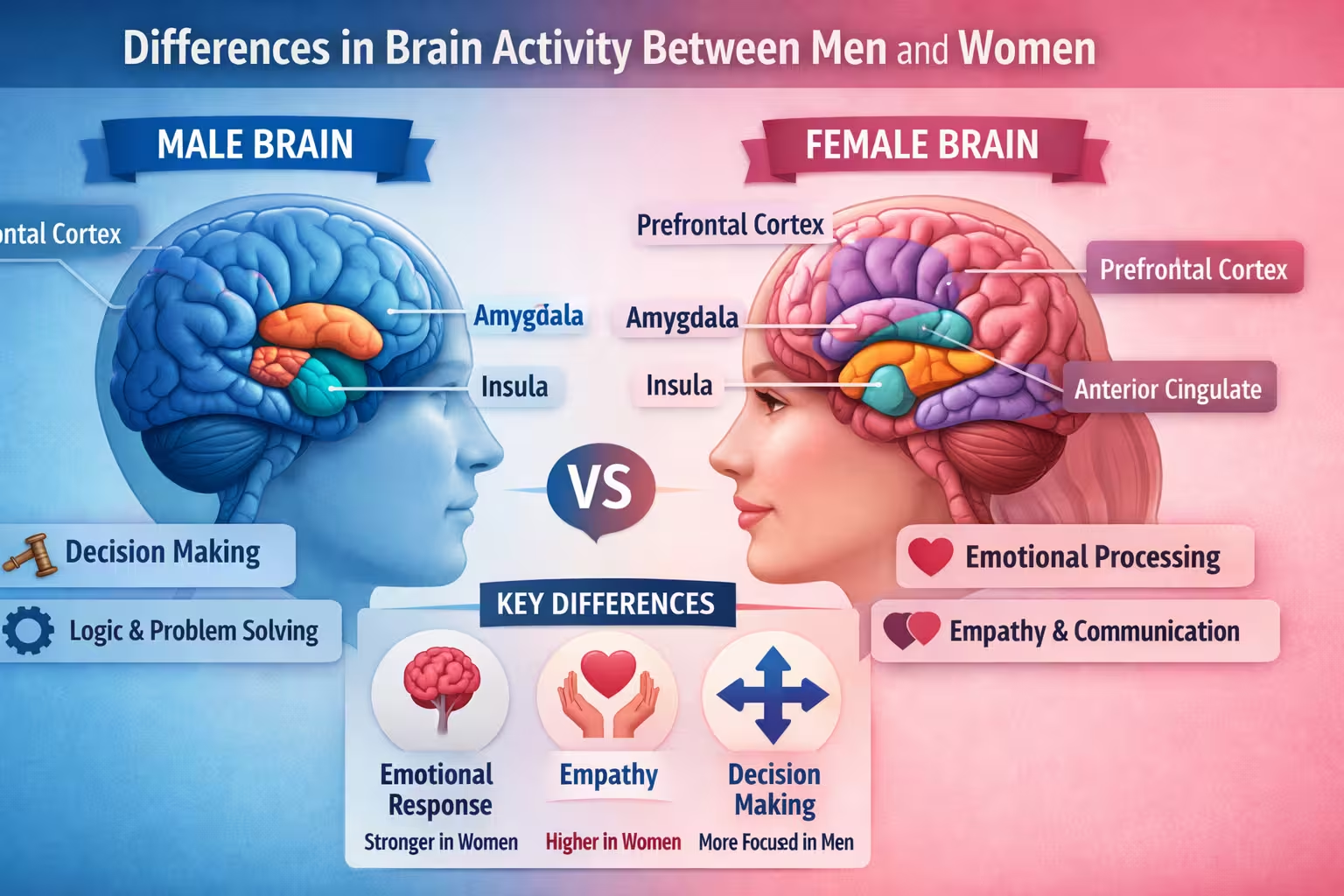
One key factor in understanding the female brain is recognizing that women’s brains are typically more active in areas related to emotion, empathy, and social interaction. This contributes to the higher levels of emotional intelligence and sensitivity observed in many women. Understanding these neurological differences can help you better navigate women’s psychological needs and communication preferences, particularly in relationships or professional settings.
Frequently Asked Questions
Conclusion
Understanding women psychology is a powerful tool for building stronger, more empathetic relationships, whether personal or professional. By diving into the nuances of how to understand women and how to understand girls, you can gain a deeper appreciation of their emotional, mental, and biological processes. Recognizing the challenges in the psychology of women, such as societal pressures and internal conflicts, is crucial for offering the support they need to thrive. Additionally, understanding the female brain and how biological factors shape behavior allows for a more empathetic approach in communication and connection.By acknowledging the complexities of female psychology, you can foster meaningful relationships based on respect, empathy, and mutual understanding. Whether you’re looking to connect with a partner, friend, or colleague, understanding the psychological factors at play in a woman’s life can help you navigate your interactions in a more thoughtful and compassionate way.