
Why Can’t I Remember My Childhood? The Real Reasons (And What to Do)
“You flip through old family photos. Everyone else laughs and shares stories. But for you, those years feel empty, like looking at a stranger’s life. You wonder, “Why can’t I remember my childhood?“
That question can feel unsettling. In fact, it can shake your sense of identity. The good news is that you are far from alone, and there are clear, science-backed reasons why this happens. Some causes are completely normal. Others may point to something worth exploring with a professional. Either way, understanding why your memories are missing is the first step toward healing.
Is It Normal to Not Remember Your Childhood?
First, take a breath. Forgetting large parts of early childhood is completely normal. Scientists even have a name for it: childhood amnesia (also called infantile amnesia).
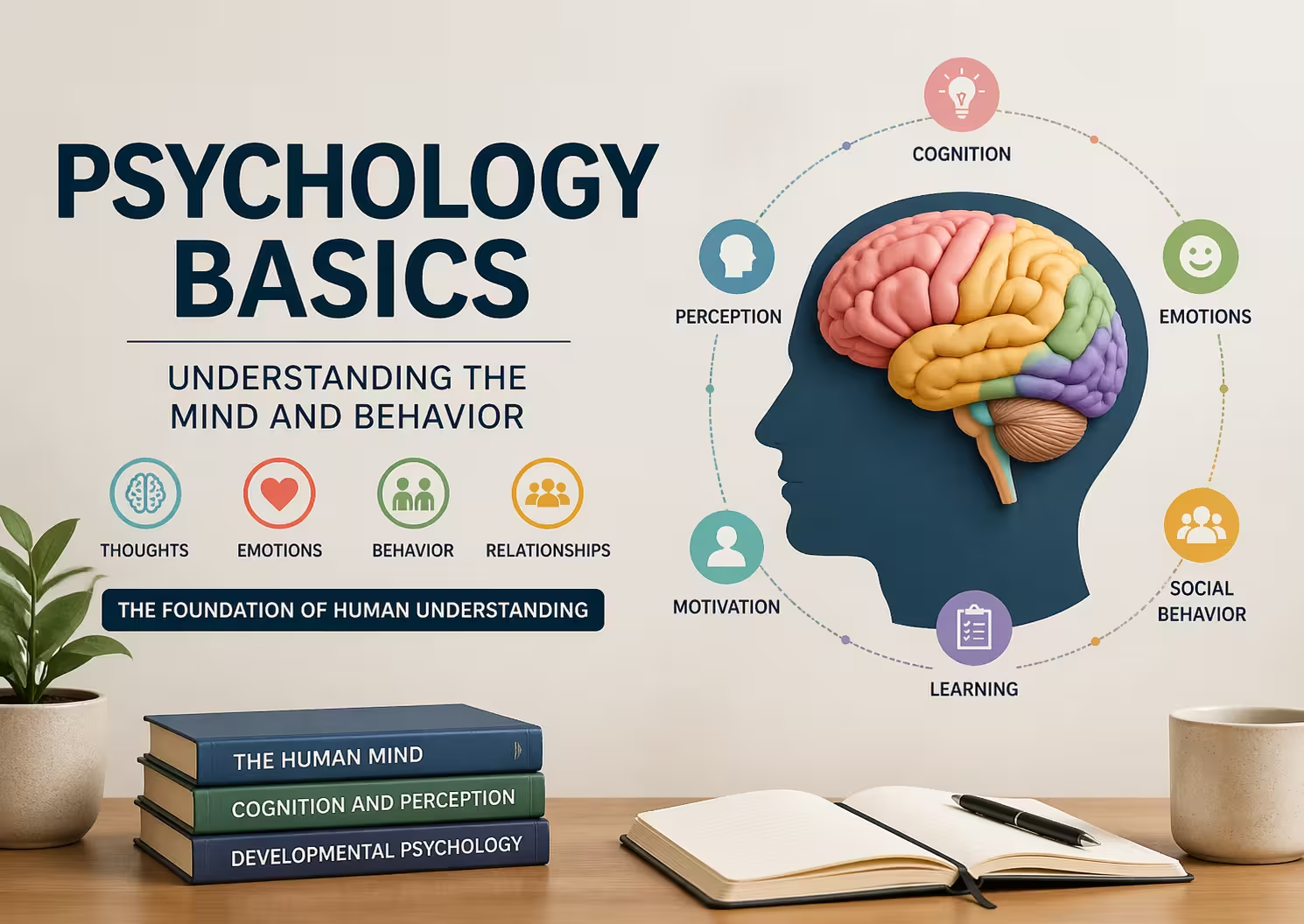
Research shows that most adults’ earliest memories begin around ages three to four. Before that, the brain’s memory structures, particularly the hippocampus, are still developing. Because of this, the brain simply cannot form stable, long-term memories the way an adult brain can.

Additionally, language plays a key role in how we store experiences. Young children are still building their vocabulary. Without the words to describe and encode an experience, memories are much harder to preserve. As a result, many early moments fade before they are ever fully formed.
Furthermore, children tend to live very much in the present moment. Their perception of time is different from an adult’s. They are not yet building a life narrative. Therefore, unless an experience is deeply emotional or unusual, it simply does not get “saved” in long-term memory.
So if you cannot recall much before age five or six, that is most likely just how memory works and is not a sign that something is wrong.
Why Can’t I Remember My Childhood Beyond Early Years?
However, what if the gaps extend further? What if your teenage years also feel blurry, or you cannot remember months or even years from later childhood? In that case, other factors may be at play.

Here are the most well-established reasons:
1. Childhood Amnesia (The Normal Kind)
As mentioned above, even memories from ages three to seven are often fragmented. You might recall a smell, a feeling, or a single image but not the full context. This is because the brain encodes only what feels significant to a child at that time. Over time, as new experiences stack up, older, less emotionally charged memories fade further.
This process is gradual. In other words, the older you get, the harder it becomes to access those earliest snapshots. That is entirely normal.
2. Trauma and the Brain’s Protective Response
Trauma is one of the most powerful forces that can erase or distort memories. When a child experiences overwhelming stress, i.e., abuse, neglect, violence, or chronic fear, then the brain activates its survival system.
During threatening events, the brain’s fear circuitry floods the body with cortisol and adrenaline. These stress hormones help the child survive in the moment. However, they also disrupt how memories are stored.
Specifically, cortisol affects the hippocampus—the brain region most responsible for turning experiences into lasting memories. High and sustained cortisol levels can actually shrink hippocampal tissue over time. Consequently, traumatic memories may be stored in fragments, out of sequence, or not stored at all.
In some cases, the brain dissociates from the experience entirely. Think of dissociation as the brain temporarily “going offline” to protect itself. Licensed trauma therapists describe this as the brain stepping away from a painful moment, almost like watching it from a distance. This protects the child in the short term, but it means the memory is never properly processed or filed.
This is why many survivors of childhood trauma say: “I know something happened, but I can’t remember it clearly.”
3. Chronic Stress and Anxiety
Stress does not need to reach the level of trauma to affect memory. Even moderate, ongoing childhood stress — a turbulent home environment, parental conflict, bullying, or financial instability — can interfere with memory formation.
When the nervous system is chronically activated, a child cannot be fully present in their daily experiences. And to truly remember something, you need to be present when it happens. Chronic stress keeps the brain in a low-grade state of alert. As a result, day-to-day experiences do not get encoded as richly as they would in a calm, safe environment.
Similarly, childhood anxiety disorders work the same way. A child who feels emotionally flat, checked out, or constantly worried is not fully absorbing and encoding their daily life.
4. Depression During Childhood
Depression in children is more common than many people realize. It can present as irritability, withdrawal, low energy, or a general sense of numbness. When depression is present, emotional engagement drops. Because emotional engagement is key to strong memory formation, depression can create significant gaps in what a child retains.
Moreover, depression can affect concentration and attention—both of which are required for a memory to be encoded in the first place.
5. Physical Injury or Illness
A head injury, traumatic brain injury (TBI), or serious illness during childhood can also disrupt memory. A blow to the head — whether from an accident, a fall, a sports injury, or physical abuse — can damage brain structures responsible for processing and storing experiences.
Even without a visible injury, childhood illnesses that caused high fevers or required prolonged hospitalization can create memory gaps due to the physical and emotional stress on the developing brain.
Childhood Memory Loss vs. Trauma: How to Tell the Difference
Not all memory gaps are equal. Here is a simple reference to help you understand what might be going on:
|
Type of Memory Gap |
Likely Cause |
Action Needed |
|---|---|---|
|
No memories before age 3–4 |
Normal brain development |
None — this is expected |
|
Patchy memories from ages 4–7 |
Normal + emotional encoding |
Gentle exploration, if curious |
|
Foggy or missing memories from ages 8–12 |
Possible stress, anxiety, or adverse experiences |
Consider speaking to a therapist |
|
Large gaps during teenage years |
Possible trauma, depression, or dissociation |
Seek professional support |
|
Body reactions (panic, physical tension) with no memory |
Possible repressed trauma |
Professional guidance recommended |
Warning Signs That Your Childhood Memory Gaps Need Attention

While some forgetting is normal, certain patterns suggest that your brain may be protecting you from something that deserves gentle exploration. Watch for these signs:
- You cannot remember large blocks of time, especially from ages 8 and up
- Your memories feel foggy or “just out of “reach”—like something is blocking them
- You sense something happened, but cannot recall what it was
- Your body reacts before your mind does—for example, certain touches, sounds, or smells trigger anxiety or fear, but you have no clear memory explaining why
- You feel distressed about not remembering—it affects your sense of identity
- You experience unexplained symptoms such as flashbacks, disturbing dreams, or emotional numbness
- Certain topics or people cause you to shut down, even without conscious memory of why
If several of these feel familiar, that does not mean something catastrophic happened. However, it does mean that your inner world may be holding experiences that have not yet been processed. Working with a qualified mental health professional can help you explore these gently and safely.
The Science Behind Why Your Brain Blocks Memories
Understanding the neuroscience can make this feel less frightening. Here is what happens inside the brain:
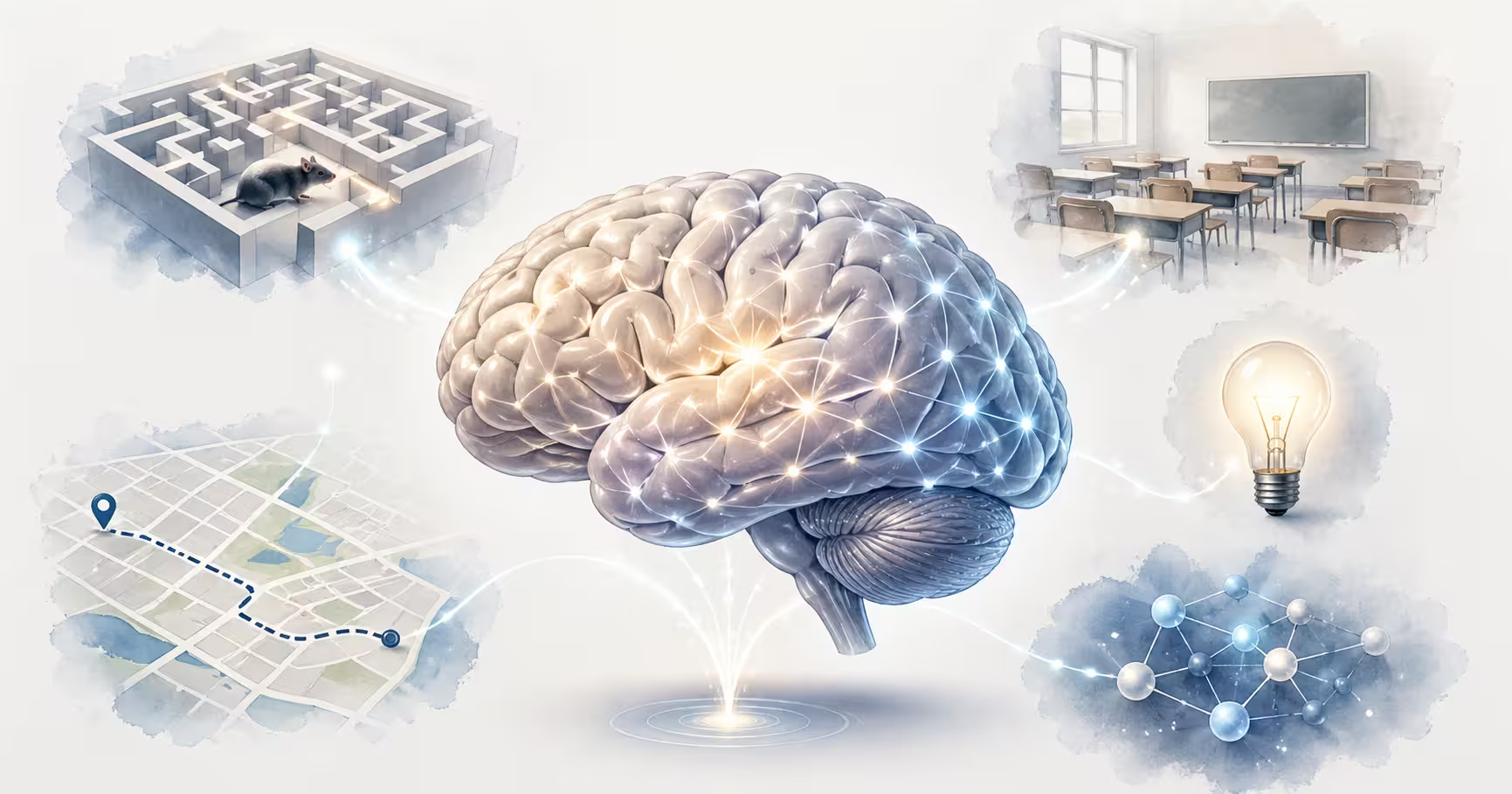
The hippocampus acts as a memory gateway. It receives sensory information and organizes it into coherent stories before sending it to long-term storage. When stress hormones flood the system, the hippocampus cannot do its job properly. Memories get stored in fragments — or not stored at all.
The amygdala — the brain’s alarm system — stores emotional reactions even when the hippocampus fails to store the full narrative. This is why trauma survivors often feel fear, panic, or sadness in certain situations without knowing why. The body remembers even when the mind does not.
Dissociation occurs when the brain essentially “steps out” of a moment to protect the person from overwhelm. Parts of the brain responsible for language and conscious processing go temporarily offline. Without language, memory cannot be fully formed. Therefore, the event remains unconscious—felt rather than remembered.
According to research published in Memory (Bauer & Larkina, 2013), the onset and pace of childhood amnesia vary significantly among individuals, and emotional and environmental factors play a significant role in shaping which memories persist and which are lost.
5 Gentle Ways to Explore Your Childhood Memories
If missing memories are weighing on you, there are safe and gentle ways to begin exploring your past—without forcing anything or risking retraumatization.
Important note: If you suspect your memory gaps are related to trauma, please work with a licensed, trauma-informed therapist rather than exploring alone. The steps below are gentle starting points, not substitutes for professional care.
1. Try Sensory Triggers
The brain stores memories alongside sensory cues. Smells, songs, textures, and tastes can all unlock forgotten moments. For example, listen to music that was popular when you were a child. Look at old photographs slowly and notice any emotions or images that surface. Visit a place from your past if it feels safe to do so. Pay attention to what comes up—even small fragments are valuable.
2. Journal Without Judgment
Set aside 15 to 20 minutes. Write down whatever childhood memories you do have, no matter how small. Do not edit or judge what comes out. The goal is not to force memories but to create space for them to surface naturally.
Helpful prompts to try:
- What is the earliest thing I can remember?
- Who made me feel safe as a child — and who did not?
- What emotions or feelings do I associate with home?
- If I could ask my younger self one question, what would it be?
3. Talk to People You Trust
Sometimes, the people who were present during your childhood hold pieces of your story. If you feel safe doing so, ask a trusted family member or old family friend about your early years. Keep it open-ended and low-pressure.
However, be thoughtful here. If someone from your past minimized your experiences or was part of what was difficult, their version of events may not align with your own. Trust your inner responses. Your feelings are valid data, even without a clear memory to explain them.
4. Try an Inner Child Meditation
Guided inner child meditations invite you to visualize your younger self, sit with that child’s emotions, and offer comfort. Many people find that this practice unlocks memories or emotions that were previously out of reach. These meditations are widely available on platforms like Insight Timer and YouTube. Start with a short, gentle one — 10 minutes is enough.
5. Move Your Body
Somatic (body-based) practices can help release stored tension and bring up emotions that are held physically rather than mentally. Yoga, walking in nature, dance, and breathwork are all examples. The body often holds what the mind cannot access. Consequently, physical movement can be a surprisingly powerful tool for emotional exploration.
How Therapy Helps With Childhood Memory Gaps
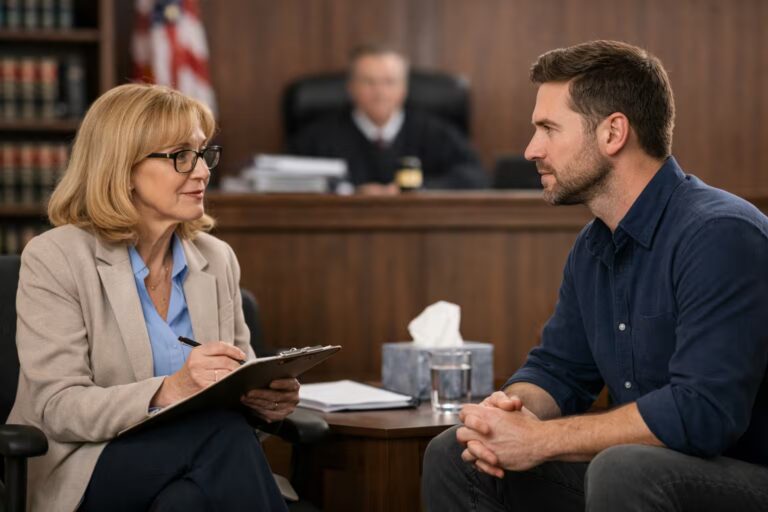
Therapy — especially trauma-informed therapy — offers a structured, safe space to explore your past. Importantly, the goal of therapy is not necessarily to recover every memory. Rather, it is to help you process and integrate whatever you do remember (or sense) so that it no longer controls you from the shadows.
Several therapy approaches are particularly effective for this:
EMDR (Eye Movement Desensitization and Reprocessing) is a well-researched treatment for trauma. It helps the brain reprocess fragmented or stuck memories so they can be stored properly and lose their emotional charge. The American Psychological Association (APA) recognizes EMDR as an evidence-based treatment for PTSD.
Trauma-Focused Cognitive Behavioral Therapy (TF-CBT) helps individuals identify how past experiences affect their current thoughts, emotions, and behaviors. It provides practical tools to manage triggers and process difficult memories safely.
Somatic therapy focuses on the body’s role in storing and releasing trauma. Because traumatic memories are often held physically rather than cognitively, body-based approaches can reach what talk therapy alone may not.
Inner child work and reparenting focus on healing the emotional wounds of childhood by reconnecting with and nurturing your younger self. This approach does not require remembering specific events. Instead, it focuses on meeting the emotional needs that may have gone unmet.
A skilled therapist will not push you to remember things before you are ready. Instead, they will help you build a sense of safety first, teach you coping tools, and then gently explore what comes up—at your own pace.
Can You Heal If You Never Recover the Memories?
Yes. Absolutely, yes.
This is one of the most important things to understand: you do not need to remember something clearly to heal from it.
What matters most is not the precise details of what happened. What matters is how those experiences shaped your emotional world — and learning to process, integrate, and release that emotional weight. Many people make profound progress in therapy without ever recovering a single new memory. The healing happens in the present, not the past.
Think of it this way: your brain is not a video recorder. Memory is reconstructive and imperfect even in people without trauma. The goal is not to retrieve a perfect account of your childhood. The goal is to feel whole — to understand yourself, to meet your needs, and to move forward with greater self-compassion and clarity.
As one licensed clinical perspective frames it, healing is about making sense of the fragmented pieces—not about forcing every piece to fit.
A Personal Note on Asking “Why Can’t I Remember My Childhood?”
At Ziwo Wellness Health, we believe that the question itself — “why can’t I remember my childhood?” — is an act of courage. Many people never ask it. Sitting with that question, and being willing to explore what it means for your life, is the beginning of meaningful self-discovery. Whether your memory gaps are simply due to how brains develop, or whether they point to deeper experiences worth exploring, you deserve compassionate, evidence-informed support on your journey.
Frequently Asked Questions
How do I know if my childhood memory loss is from trauma?
Trauma-related memory loss often involves more than just forgetting. Look for these signs: missing large chunks of time (especially from age eight onward); foggy or fragmented memories; physical reactions—like panic or tension—that seem to have no clear trigger; or persistent emotional distress about not being able to remember. If several of these apply, speaking with a trauma-informed therapist is a wise next step.
Is it possible to recover lost childhood memories?
Some memories can surface with time, therapy, or sensory triggers. However, the goal of memory recovery should never be to force recollection. False memories can be created under pressure, especially with leading questions or certain hypnosis techniques. A responsible therapist will focus on processing emotions and building self-understanding rather than “retrieving” specific events. Healing does not depend on recovering every memory.
Can anxiety or depression cause childhood memory loss?
Yes. Both anxiety and depression affect how present and engaged a person is in their daily experiences. Because memory formation requires attention and emotional engagement, chronic anxiety or depression during childhood can create significant gaps in what gets stored. Additionally, these conditions affect the hippocampus — the brain’s memory center — even in children.
When should I see a therapist about not remembering my childhood?
Consider reaching out to a therapist if: You cannot remember large periods of your childhood; your body reacts to triggers without any corresponding memory; missing memories cause you ongoing distress; or you feel disconnected from your sense of identity or life story. A trauma-informed therapist can help you explore your past safely, at your own pace.
Final Thoughts
It is easy to feel like your missing memories make you somehow incomplete. But here is the truth: your value as a person is not stored in your childhood recollections.
Whether your memory gaps are simply a product of normal brain development or whether they reflect experiences that your brain wisely chose to protect you from, you are allowed to heal. You are allowed to feel whole. And you are allowed to move forward — with or without a complete picture of the past.
If this article resonated with you, consider exploring the wellness resources at Ziwo Wellness Health. Whether you are beginning your self-discovery journey or looking for deeper support, the path toward healing starts with a single question — and you have already asked it.